
Estimated reading time: 10 minutes
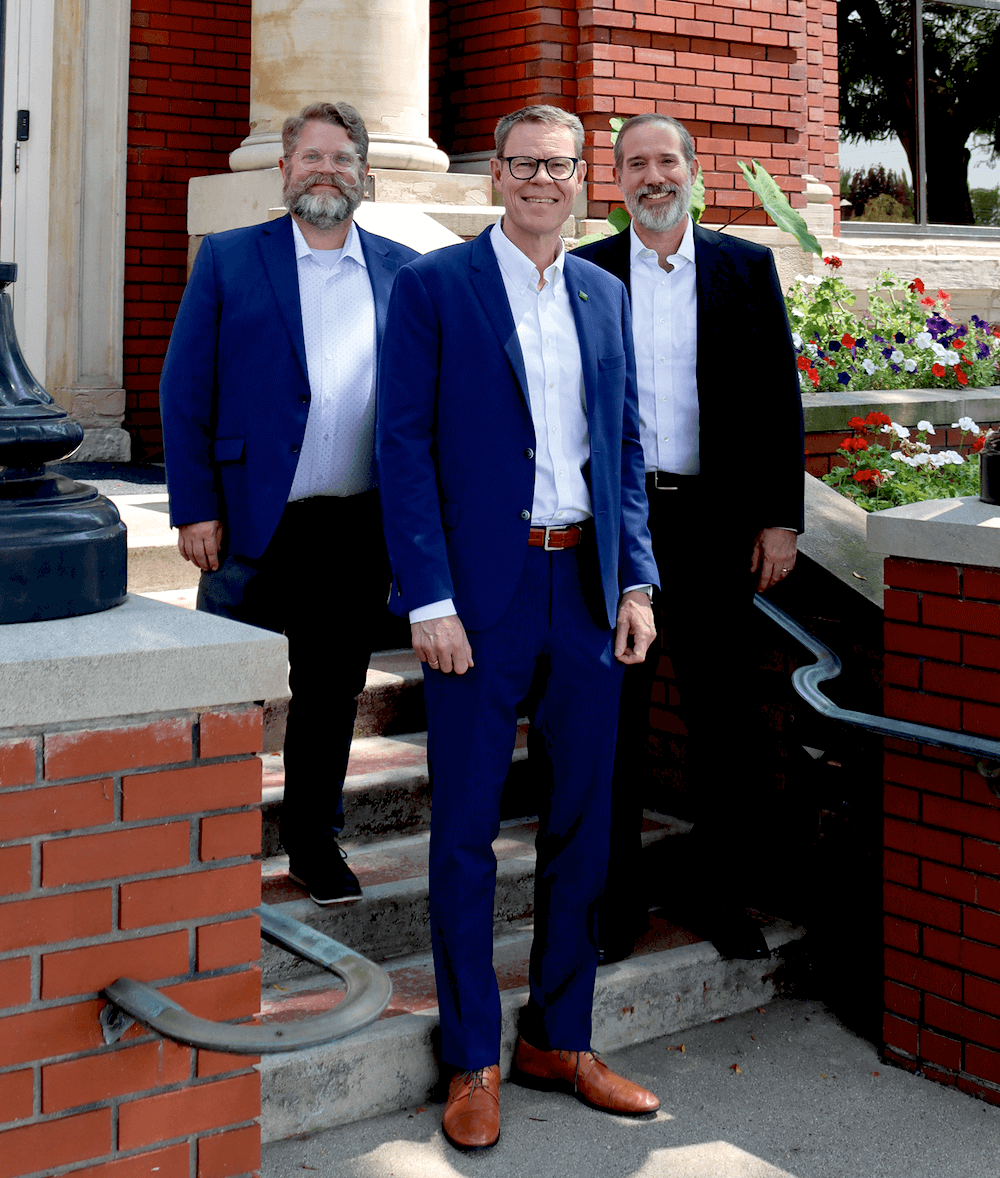
To support the projected growth of the sleep products segment and other industries that use methylene diphenyl diisocyanate molecules in their polyurethane foam products, chemical giant BASF Corp. is nearing completion of the final phase of a massive expansion project at its site in Geismar, Louisiana.
Set for completion in mid-2026, the project will increase BASF’s MDI production capacity to approximately 600,000 metric tons per year. The company has invested around $1 billion in the expansion of the Verbund site, named for an operating method in which manufacturing, research and other activities are located close to one another to maximize efficiencies. The project is BASF’s largest wholly owned investment in North America.
MDI and the related product toluene diisocyanate are key ingredients in the production of flexible polyurethane foams for bedding. MDI creates durable materials with high thermal stability and strong chemical resistance; TDI provides flexibility and softness in the final product.
BASF also produces polyols — molecules with alcohol groups — that are also used to produce polyurethane foams. Polyols are broken into two main categories — polyether polyols and graft polyols. Polyester polyols are commonly used to add flexibility or hydrophilicity; graft polyols are used to improve other foam characteristics, such as load bearing.
All these chemicals and blends are produced at BASF’s Louisiana site, except for specialized graft polyols, which are made in Wyandotte, Michigan, the headquarters of BASF’s North American polyurethanes business.
The emergence of MDI as a complement to TDI has opened new doors for foam producers and mattress manufacturers. “The performance of viscoelastic foam is greatly enhanced with the use of MDI. Since MDI has a different reactivity profile, you can tune it and make blends with it that are unique and help support the end product with improved recovery and other features,” says Karl Gust, business director of polyurethane raw materials for the flexible foam industry at BASF.
Recognizing the potential of this molecule for sleep and other foams, BASF made the decision in 2021 to add a new facility in Louisiana dedicated to MDI. “With our brand new plant, we will be the largest North American producer of MDI and are proud to offer our customers a variety of specs to meet their needs,” Gust says. “We are investing in reliability by using the most innovative technology in the industry, all built with exceptional craftsmanship.”
Gust adds that the increased availability of MDI in the United States is likely to spur even more innovation in the sleep segment because foam producers will “have more confidence in the availability of this molecule.”
Advancing Foam Chemistry: Biomass Balance TDI and MDI Innovations
BASF is innovating across product categories. In 2024, BASF and Future Foam, a leading foam producer based in Council Bluffs, Iowa, announced the first commercial production of flexible foam for the bedding industry made with 100% domestically produced Biomass Balance Lupranate T80 TDI. Derived from renewable feedstock-attributed raw materials, BASF’s Biomass Balance TDI enables Future Foam to benefit from a more sustainable solution with no trade-offs in product quality or performance.
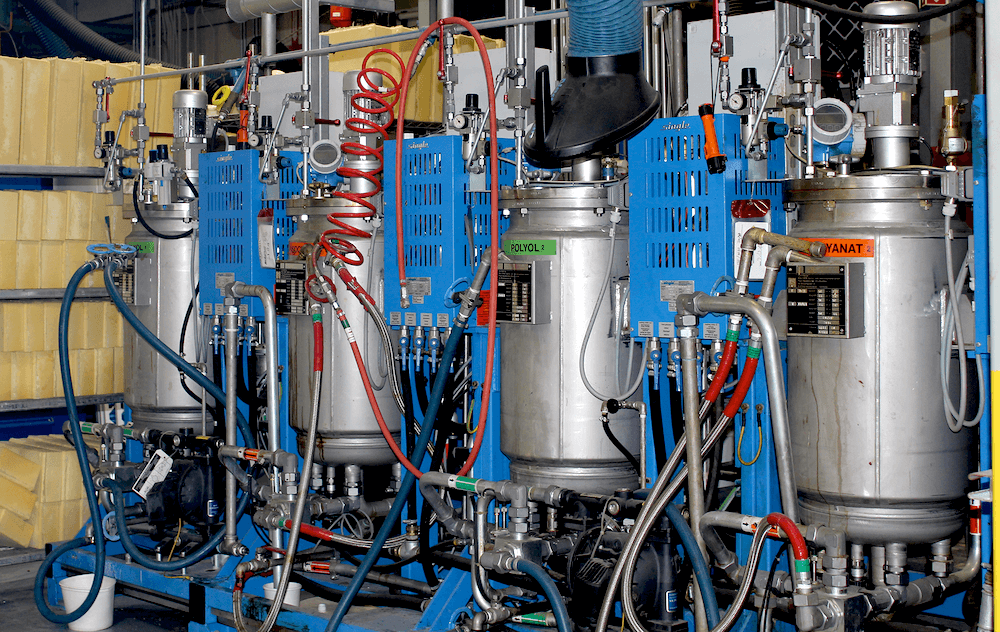
BASF has also developed Biomass Balance MDI products for a variety of foam applications.
Both Biomass Balance versions have been certified to meet the globally recognized ISCC Plus and REDcert sustainability standards.
“Our Biomass Balance TDI and MDI products enable customers to easily transition to renewable feedstock-attributed raw materials, helping reduce their own CO2 emissions and fossil resource usage,” Gust says.
BASF’s Biomass Balance TDI and MDI products have the same performance properties as fossil fuel-based products, Gust says, so no requalification or reformulation of materials is necessary when making the switch. There’s also no need for foam producers to install dedicated tanks or special equipment or to change supply chains, he says.
“We are excited to supply Future Foam with high-quality BMB TDI produced in the United States and are looking forward to partnering with other foam producers on similar industry-leading sustainable solutions,” Gust says.
Mike Urquhart, national accounts manager at Future Foam, says this about the new initiative: “This is another step as we continue our journey to reduce the impact on the environment, which is ingrained in our culture, how we do business and the products we innovate.”
Corporate Strategy: BASF’s Commitment to Sustainability and Net Zero Targets
Sustainability is a key element of BASF’s corporate strategy. The company understands climate change to be “one of the greatest challenges of the 21st century” and is working to improve sustainability by enhancing efficiencies in its own production, sourcing energy responsibly and helping customers reach their sustainability transformation goals, such as reducing their carbon footprints.
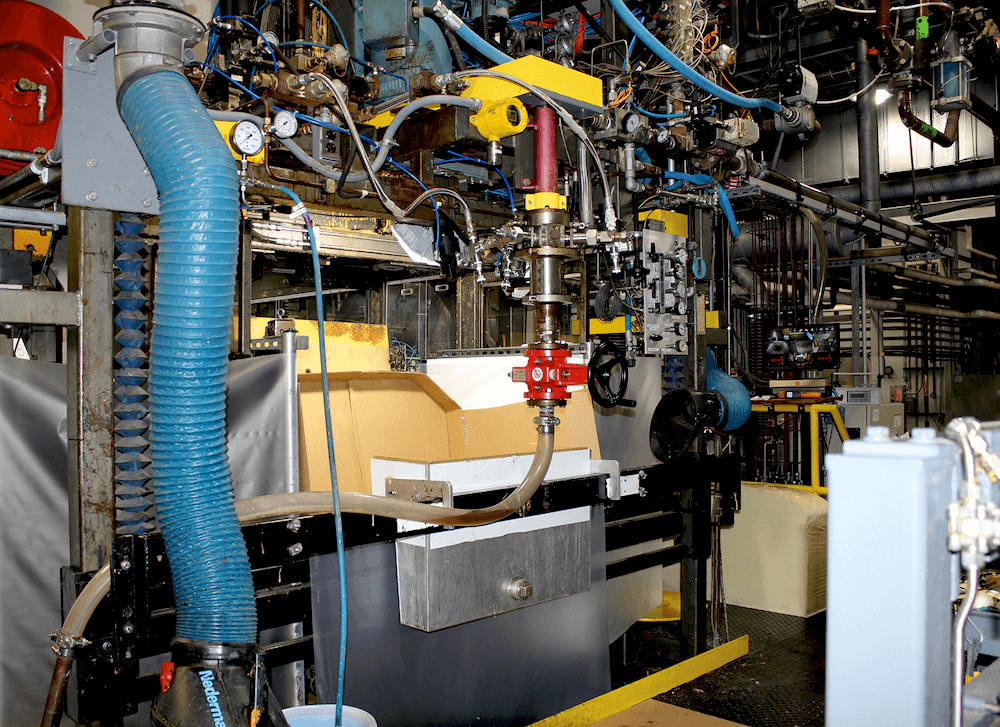
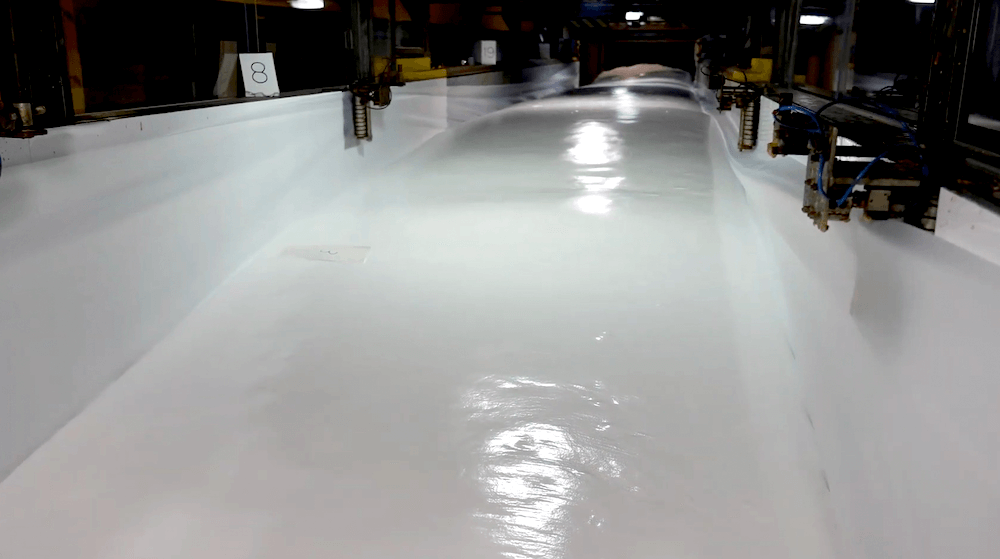
Resources include a pilot slab stock foam machine and pouring equipment.
BASF has set ambitious climate targets for 2030 and 2050. For instance, the bio-circular feedstocks used to make Biomass Balance TDI molecules are expected to play an important role in reducing greenhouse gas emissions generated by the company’s products over their life cycles. BASF’s monomers division, which includes polyurethanes, is executing an ambitious sustainability plan that will expand its portfolio of products with lower CO2 footprints while also providing more “loop solutions,” or circular options. BASF characterizes products as loop solutions if they are based on renewable or recycled materials, support the recycling process or prolong the lifespan of materials.
As the market for sustainable products grows, BASF will be able to expand and apply new technologies it is currently testing in pilot projects to more real-world situations, Gust says. The company projects sales of loop solutions to double by 2030 and expects more major investments for its green transformation to be made after 2030, in sync with rising demand.
BASF also has ambitious targets for reducing specific raw material-related emissions, Gust says, adding that the company aims to achieve net zero emissions across the entire company by 2050.
Driving Innovation: BASF’s Research Team and Technical Resources
As business director, Gust is responsible for the marketing strategy of BASF’s flexible foam chemicals line. Trained as a research chemist, he has worked in a wide range of roles across BASF during his 25 years with the company, earning an MBA from the University of Michigan along the way.
Gust works with a technical team of five chemical researchers in Wyandotte who focus on sleep products. BASF has a separate team at that site that conducts additional research on isocyanates and polyols for a wide range of products beyond bedding foams.
The company has researchers in other locations whose work dovetails with that of the Michigan teams, as well as additional engineers focused on the process side of its operations.
“These experts look at how we can improve processing rates when we make our chemicals,” Gust says. “What can we do better and how can we find better catalysts? Can we find better routes to manufacture that are more energy efficient, that improve yields and improve the economics of manufacturing isocyanates and polyols?”
To facilitate research and development, the Michigan campus houses a series of labs where researchers conduct their work.
Customer-Driven R&D and Industry Education
BASF’s research and development projects represent a mix of ideas from its own engineers and business development executives, as well as requests from customers.
“Sometimes, we might already have something available on the shelf that will meet their needs, and we will share that information with them,” Gust says. “If not, we can start a new project designed around their request.”
“Many of our customers are requesting help with renewable raw materials and support on how to reduce carbon footprints,” Gust says. “As an industry leader, we are in a strong position to meet the growing demand for more sustainable solutions.”
Comfort is another hot topic. “Customers are always looking for new ways to improve the sleep experience through new formulations and materials,” Gust says. “Polyurethane is an incredibly versatile molecule that can be tuned in so many ways as market needs change.”
When a BASF team gets an idea for a new way of doing something that could improve customers’ production efficiencies, they share those. “We might have an idea for how our raw materials could better support their production, or how a different material could speed up workflow or improve scrap rates,” Gust says. “There’s a lot of communication between our technical teams and our customers’ technical teams.”
To keep customers informed about its latest developments and best practices relating to foam chemicals, BASF recently launched a webinar series called the Formulator’s Corner. The webinars are hosted by BASF’s urethane technical experts.
“This program supports our customers and the industry in general by providing resources that help newcomers to the foam business, as well as those with more experience, better understand polyurethane foam,” Gust says. “We want to support the growth of this market through technology and chemistry, and we feel education is one of the best ways to do that.”
Market Evolution: Accelerating Innovation with Machine Learning and AI
Over the course of his career with BASF, Gust has seen a significant evolution in the bedding foam market, from the explosion in memory foam’s popularity to the rise of boxed bed applications.
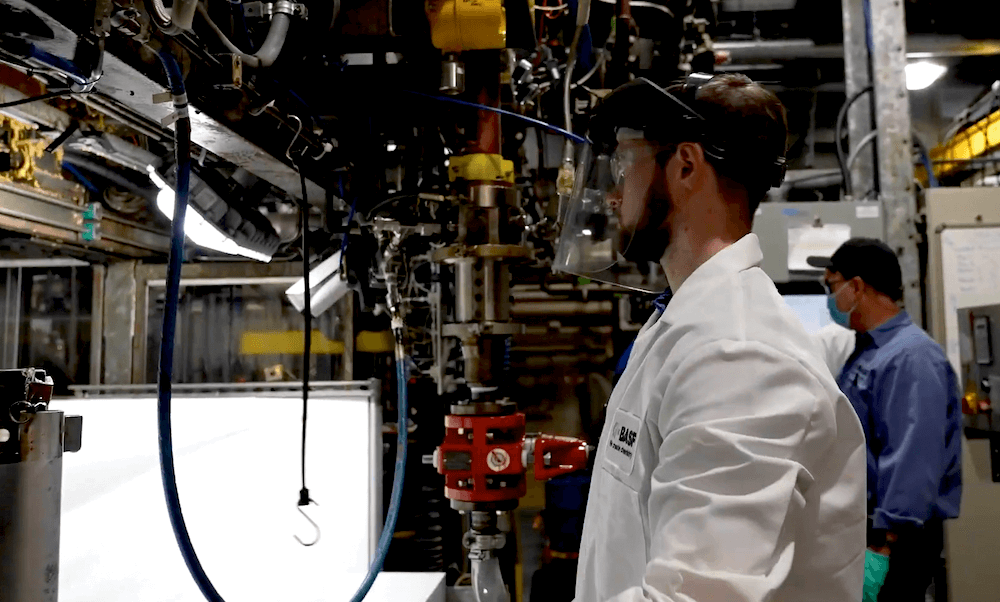
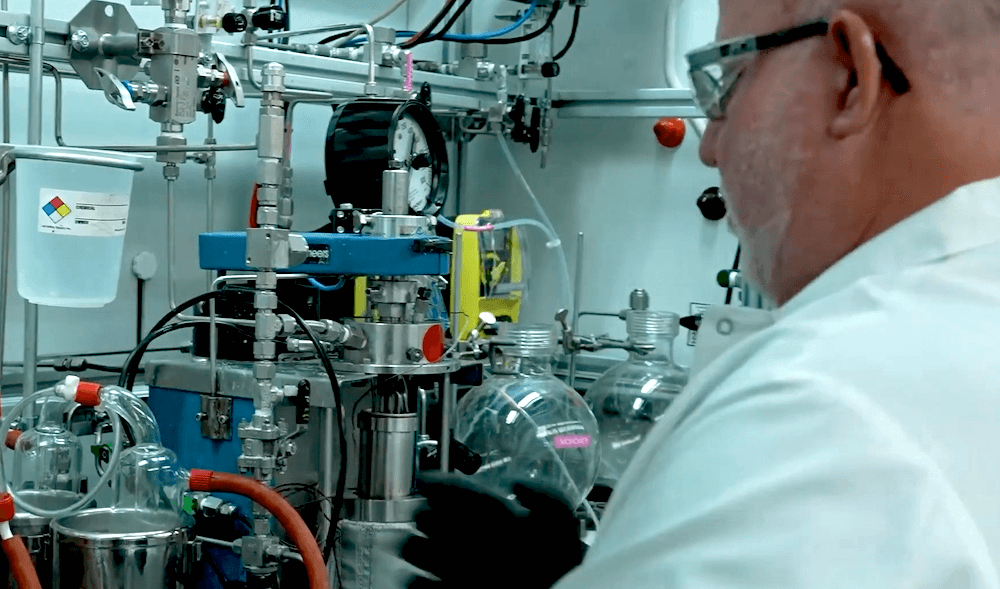
development activities designed to meet emerging market needs.
“When you think about what’s available from our customers today versus 10 years ago, there has been a huge amount of change,” he says. “There have been great advances in comfort and support and new features, such as cooling. Foam producers and their customers drove this innovation with their individual creativity and initiative, but when they then came to us and asked for certain attributes in our materials to help deliver these properties, we delivered.”
Going forward, Gust expects that BASF’s use of machine learning and other artificial intelligence will accelerate its ability to innovate.
“These are exciting new tools for formulating and developing new materials,” Gust says. “We have been actively using machine learning for about eight years now, and this technology has helped us gain a better understanding of how polyurethanes behave and how reaction profiles work.”
“And if our customers want to share their own data with us, we can plug it into our machine learning model to gain even more insights,” he adds.
While the entire sleep segment continues to struggle with a prolonged downturn in consumer demand, Gust is optimistic about the long-term potential of the North American market.
BASF is navigating the choppy waters of global economic uncertainties by leaning into its expertise and experience.
“Our priority is to maximize every resource so we can deliver the most value for our customers,” Gust says. “That means being ready to pivot quickly and working hand in hand with customers to understand their plans and help them achieve their goals.”