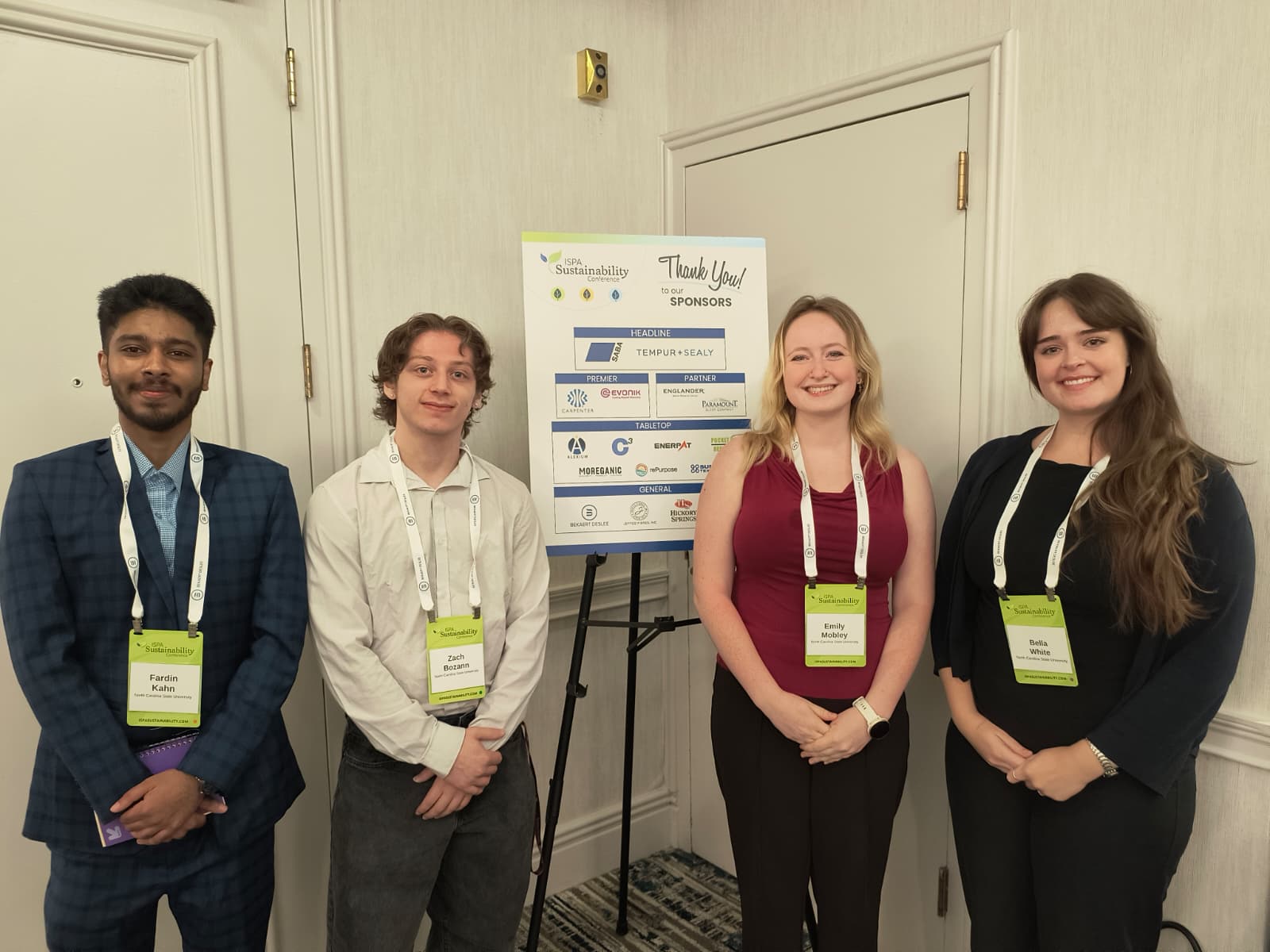
Sustainability Conference.
What does it take to make a mattress cover easier to recycle? Four North Carolina State University students—Fardin Khan, Bella White, Zach Bozann, and Emily Mobley—are finding out, and the answer is more complicated than they might have expected.
Working with Tempur Sealy, the students are tackling a challenge that goes well beyond the classroom: redesigning a Tempur-Pedic mattress cover so its materials can be more easily separated and recycled at the end of its useful life.
The catch? It still needs to meet the company’s standards for durability, fire protection, and cooling performance.
The Students’ Choice
The project is part of NC State’s Wilson College of Textiles Senior Design program, which connects students with industry sponsors to tackle real-world challenges.
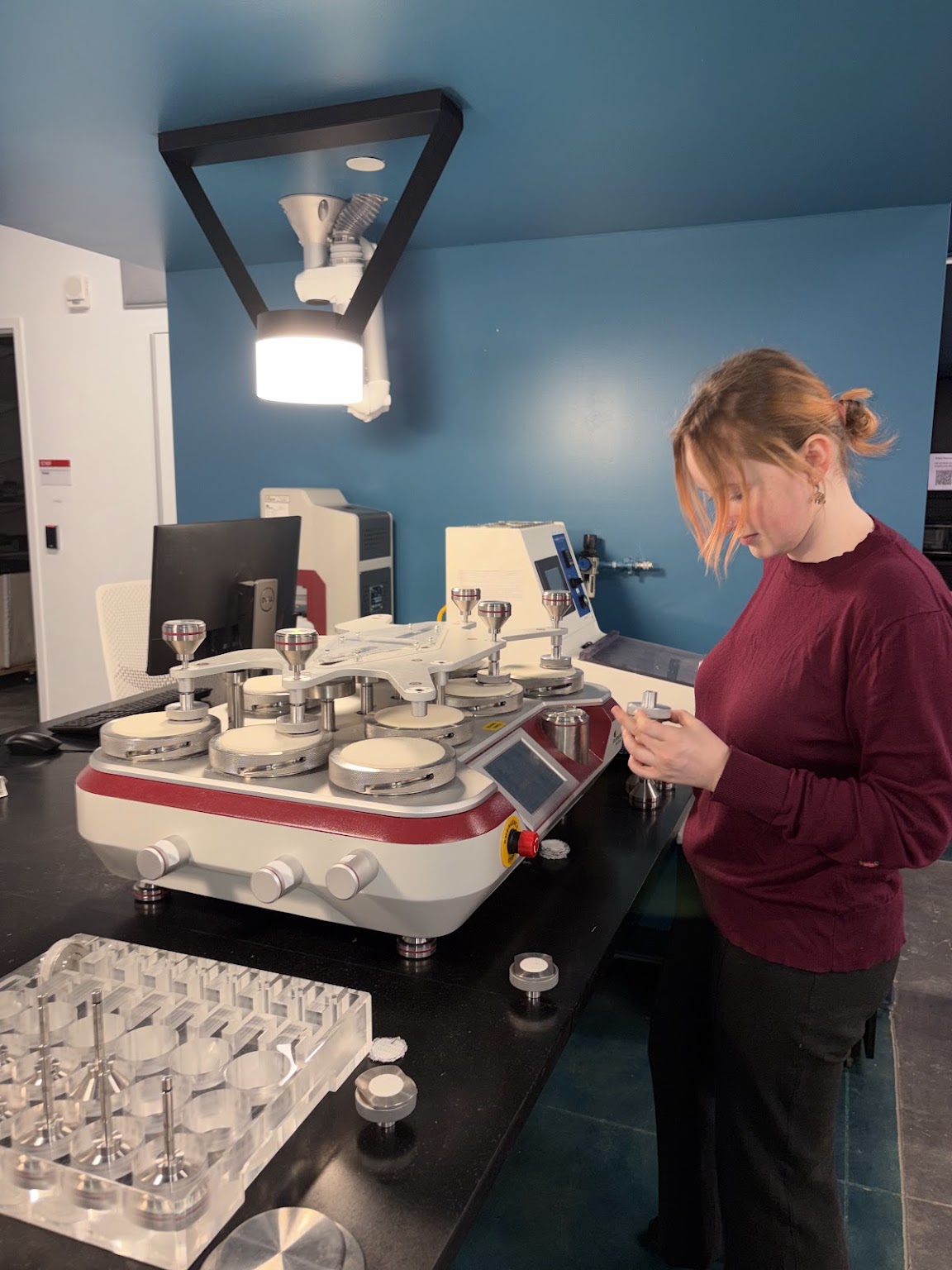
Tempur Sealy originally considered eight potential projects before narrowing the list to two and letting the students choose. They picked mattress cover recyclability.
For Zach Bozann, the sustainability aspect was the biggest draw.
“It is something I am very passionate about and feel like it is the first time I can make a real impact on a visible level,” he says.
Emily Mobley shares that enthusiasm. An intern with NC State’s Office of Waste Reduction and Recycling, she already spends plenty of time thinking about what happens to materials after they’re used.
But translating that interest into a product design isn’t simple.
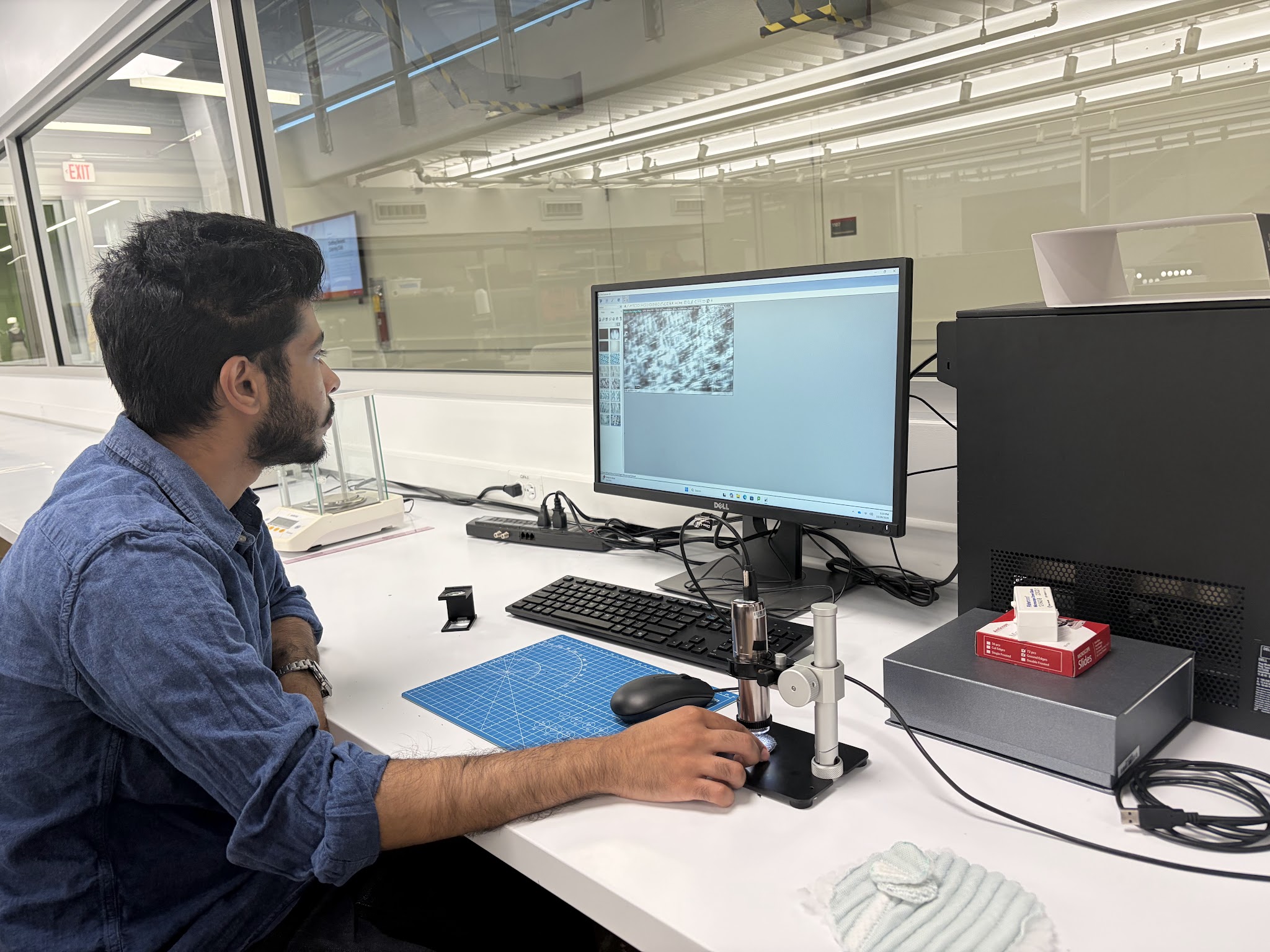
“The most challenging part of this project has been trying to find the balance between what consumers want vs what is recyclable,” Mobley says. “They seem to be at odds most of the time.”
Bozann has been surprised by the number of considerations that go into mattress design, from appearance and construction to the way a product feels on a showroom floor.
Learning From Both Sides
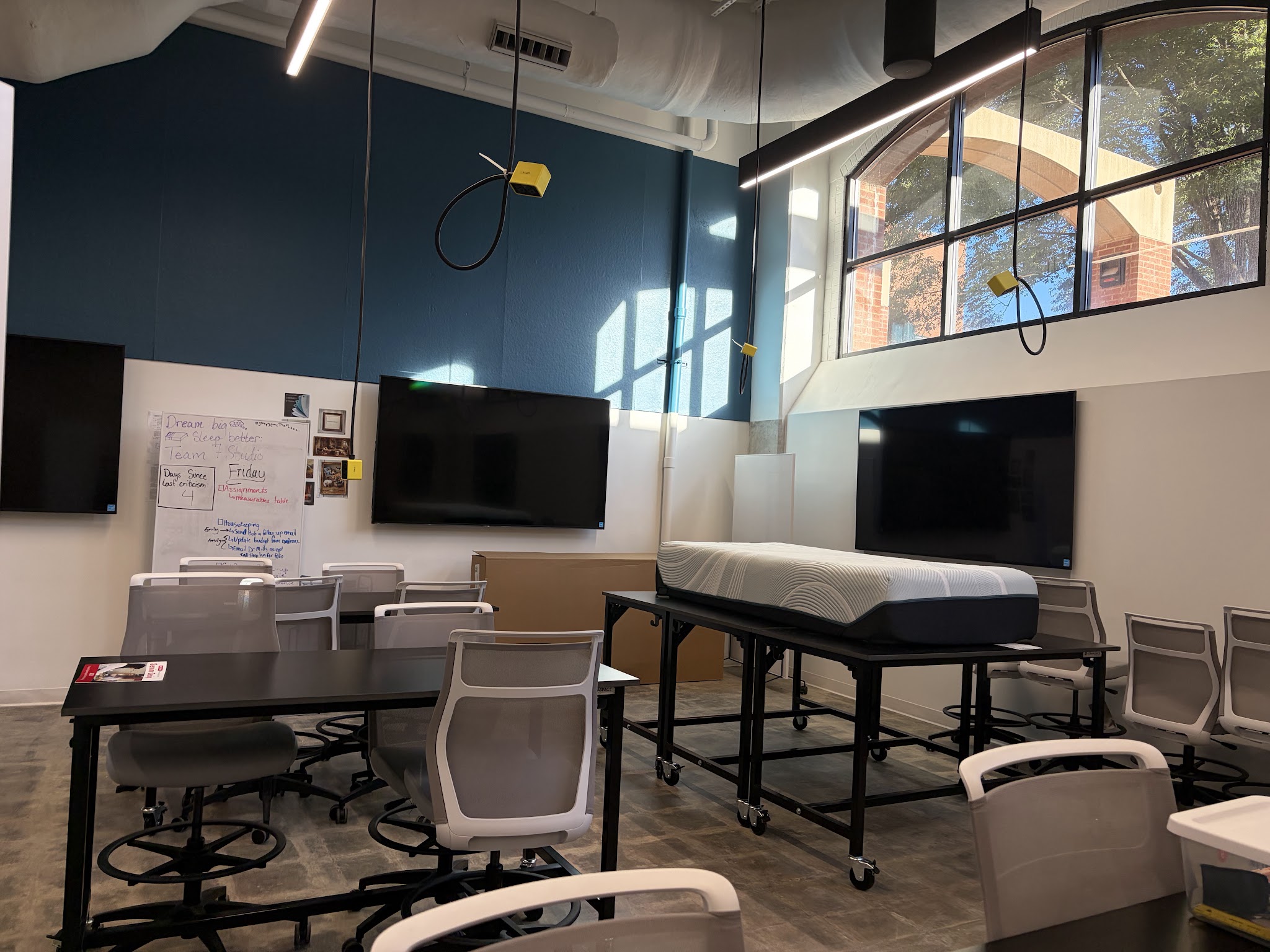
Tempur Sealy textile engineer Erin Faulk meets with the team every other week to review progress and offer feedback. The students also visited the company’s facility in Trinity, North Carolina, and attended the ISPA Sustainability Conference in September.
“It was like a crash course in mattress sustainability!” Mobley says.
The conference introduced the students to industry challenges and potential solutions, including mono-material design, which caught Mobley’s attention, and digital traceability, a topic Bozann hadn’t previously considered.
The learning goes both ways.
“I’ve been so impressed with the innovative ideas that the NCSU team has come up with already,” Faulk says. “They continue to surprise me by looking at the problem in ways I hadn’t considered before.”
A New Look at the Industry
The team is working toward a May 2027 deadline to produce a functional twin XL mattress cover prototype, along with data demonstrating improved recyclability.
There’s plenty of research, design, and testing still ahead. But the experience is already changing how the students see the bedding industry.
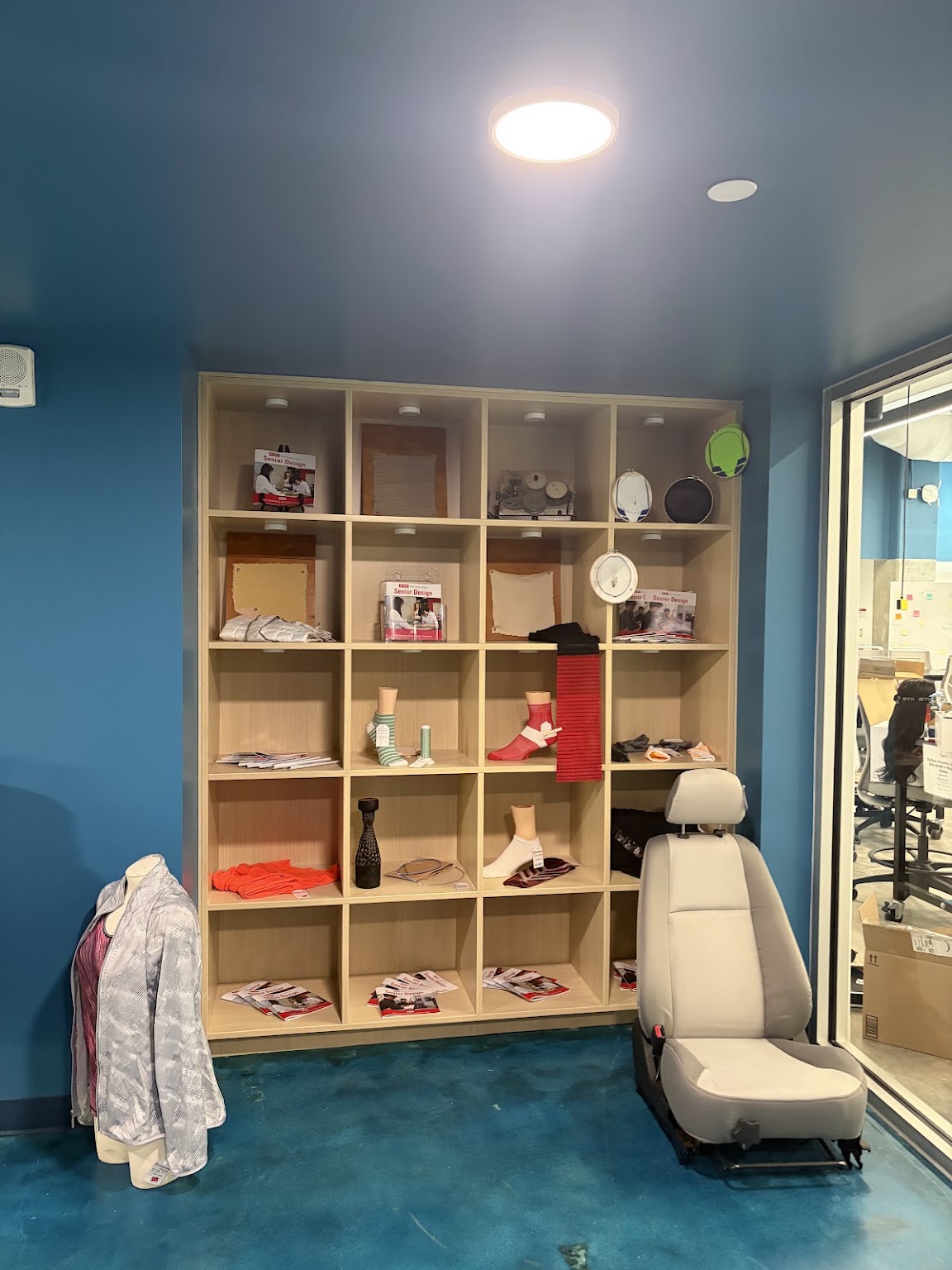
“Prior to this project, I had never considered a career in the bedding industry,” Mobley says. “I know I want to work with sustainability, so it has been great to see that sustainability is an emerging focus in the bedding industry and that there are career opportunities there.”
For Tempur Sealy, that’s part of the point. The company hopes the collaboration will introduce emerging textile professionals to an industry they might not otherwise have considered, while bringing fresh perspectives to an ongoing sustainability challenge.
The students have until May to see where their ideas lead. In the meantime, they’re discovering that designing a better mattress cover involves more than choosing the right materials—and that the bedding industry offers more opportunities than they might have imagined.