
As consumers and supply chains around the world focus on sustainability, waste, and circularity, the mattress industry is one of many industries facing growing scrutiny. Every year, around 40 million mattresses reach end of life in Europe, while in the United States, waste equates to an estimated 50,000 mattresses discarded every single day. Despite efforts to reduce this number globally, only a small number of mattresses are recycled.
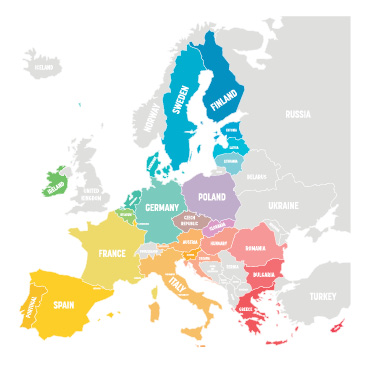
In the European Union, governments and regulators are tackling waste and encouraging recycling and more sustainable consumption by asking manufacturers to take greater responsibility beyond the point of sale across many industries. This shift is already well established through initiatives such as the Extended Producer Responsibility scheme, which makes producers responsible for the end-of-use management of products in European markets.
However, regulation is increasingly moving beyond what happens to a product at the end of its use and is considering how products are designed, manufactured, used, and recovered. The introduction of the EU’s Ecodesign for Sustainable Products Regulation is set to accelerate this shift across several industries, including the mattress industry.
The ESPR, which forms part of the EU’s Circular Economy Action Plan, has been put in place to improve the sustainability of products placed on the European market. Rather than focusing solely on waste management, the regulation creates a framework through which requirements can be introduced across a product’s entire life cycle. Depending on the product group, these could cover areas such as the materials used in manufacturing, plus durability, repairability, recycled content, environmental impact, and end-of-use considerations.
Mattresses have been identified as a priority product group under the ESPR Working Plan, with the delegated act (the product-specific legislation with detailed requirements) scheduled for adoption in 2029. These requirements are still in development for the mattress industry, but as mattresses have been identified as a priority group, manufacturers should be prepared for greater sustainability, product information, and transparency requirements in the next few years.
A key element of the regulation will be the introduction of Digital Product Passports. These passports will act as digital records, designed to make relevant information about a product accessible throughout its life cycle. Depending on the final requirements, this could include information about materials and components, environmental performance, repairability, and end-of-use handling.
A DPP will be accessed through a data carrier associated with the product, such as a QR code, an RFID tag, or an NFC chip. This will enable relevant stakeholders, including manufacturers, retailers, consumers, repairers, recyclers, and regulatory authorities, to access the information relevant to them at the different stages of the product’s life cycle.
For mattress manufacturers, this could provide a clearer picture of the materials used within products and make it easier for different stakeholders to access important information. Retailers can use verified product data to communicate sustainability credentials more clearly to customers, while recyclers could access information on material composition to determine how a mattress should be dismantled and processed at end of life. As demands for traceability and sustainability data increase across supply chains, having more structured product information can also benefit manufacturers by making it easier to communicate sustainability and prepare for evolving requirements.
While the exact requirements for mattresses under the ESPR are still being developed, it’s clear that manufacturers will need to think increasingly about the quality, structure, and accessibility of their product data. This means understanding what information already exists across their organization and supply chain, where there may be gaps, and how easily that information could be made available through a DPP.
One practical way to prepare for upcoming regulations is by running a pilot. By working with a DPP specialist, manufacturers can test how existing product data could be brought together and made accessible across a limited product range before a wider rollout. This can help to uncover operational and data gaps, assess how new processes work across supply chains, and generate practical insight into what would be needed for broader implementation.
Currently, 2029 might feel a long way away for mattress providers, but gathering reliable information across complex products and supply chains is unlikely to happen overnight. Businesses that start to understand what is coming, what data they already hold, and where greater traceability may be required will be better positioned to navigate any upcoming requirements. More importantly, those that look beyond compliance and consider how greater product transparency can support circularity, strengthen sustainability claims, and improve customer engagement can turn the requirements of the ESPR into a wider opportunity.
Matthew Ekholm is DPP and circularity specialist at Provenant.