
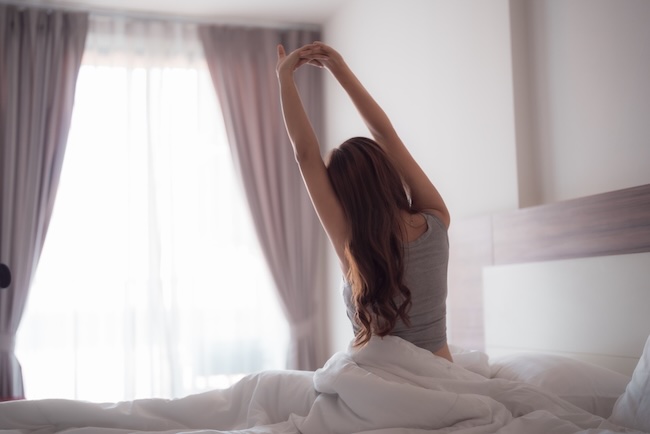
Hotels have always sold a good night’s stay. Increasingly, some are putting more attention on the “good night” part.
Sleep tourism—sometimes packaged as a “sleepcation”—is gaining attention as travelers look for trips built around rest rather than packed itineraries. The Global Wellness Institute identifies sleep tourism as a 2026 trend, noting that hotels, wellness resorts, and destination spas are designing experiences around circadian-aligned lighting, sound-engineered rooms, guided sleep rituals, sleep-tracking consultations, and specialized bedding environments.
Mainstream coverage points to the same shift. The Wall Street Journal has reported on “sleepcations” centered on rest and sleep, with hotels offering amenities such as weighted blankets, luxury eye masks, and personalized pillow menus. Marketplace also recently covered the growth of sleep tourism, framing it as part of a broader business trend around travelers who are willing to pay for rest-focused experiences.
For the mattress industry, the interesting part is not simply that people are booking trips to sleep. It is that hotels are treating sleep as something designed. The bed still matters, but so do temperature, light, sound, bedding, materials, and routine.
That gives mattress and bedding manufacturers something to watch. In hospitality, products need to make sense quickly to guests with different bodies, preferences, and expectations. A mattress, pillow, topper, or bedding system that helps a hotel create a more restful stay may also say something about what consumers are starting to value at home.
The point is not to promise perfect sleep. It is to recognize that consumers are hearing more about the conditions that support rest. Sleep tourism may be a travel trend, but it points to a larger idea: the sleep environment is becoming part of the value proposition.
Sources: Global Wellness Institute; Marketplace; The Wall Street Journal; Forbes