

At a Glance
Company Fine Cotton Factory
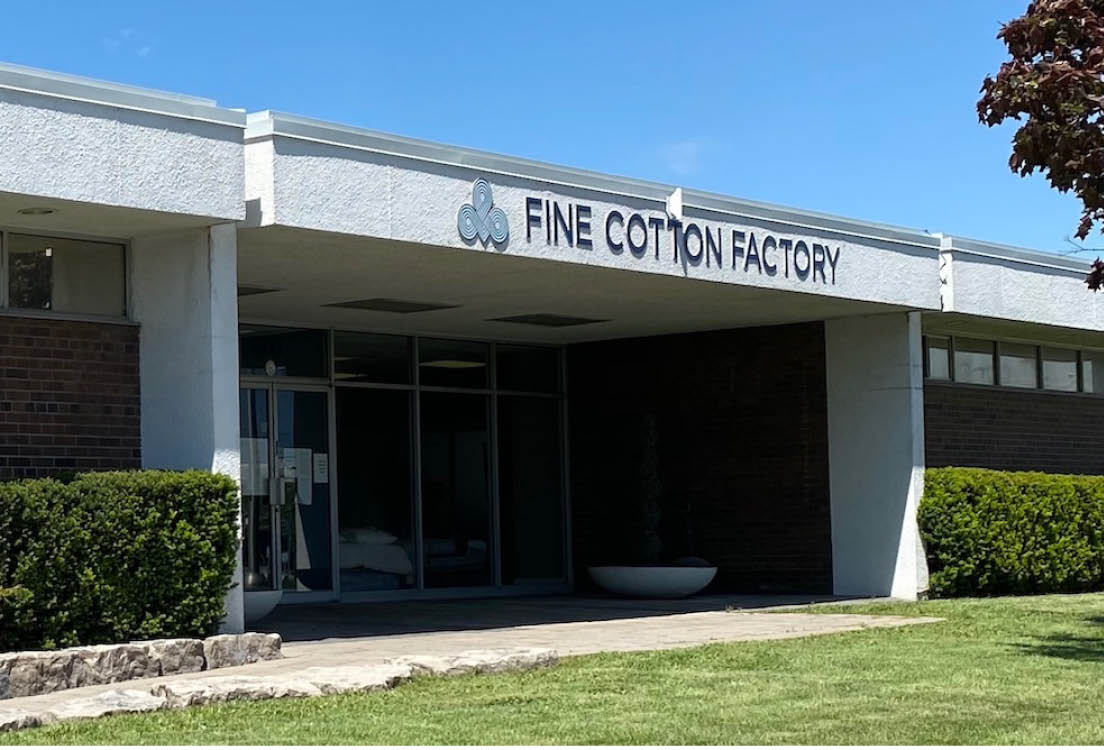
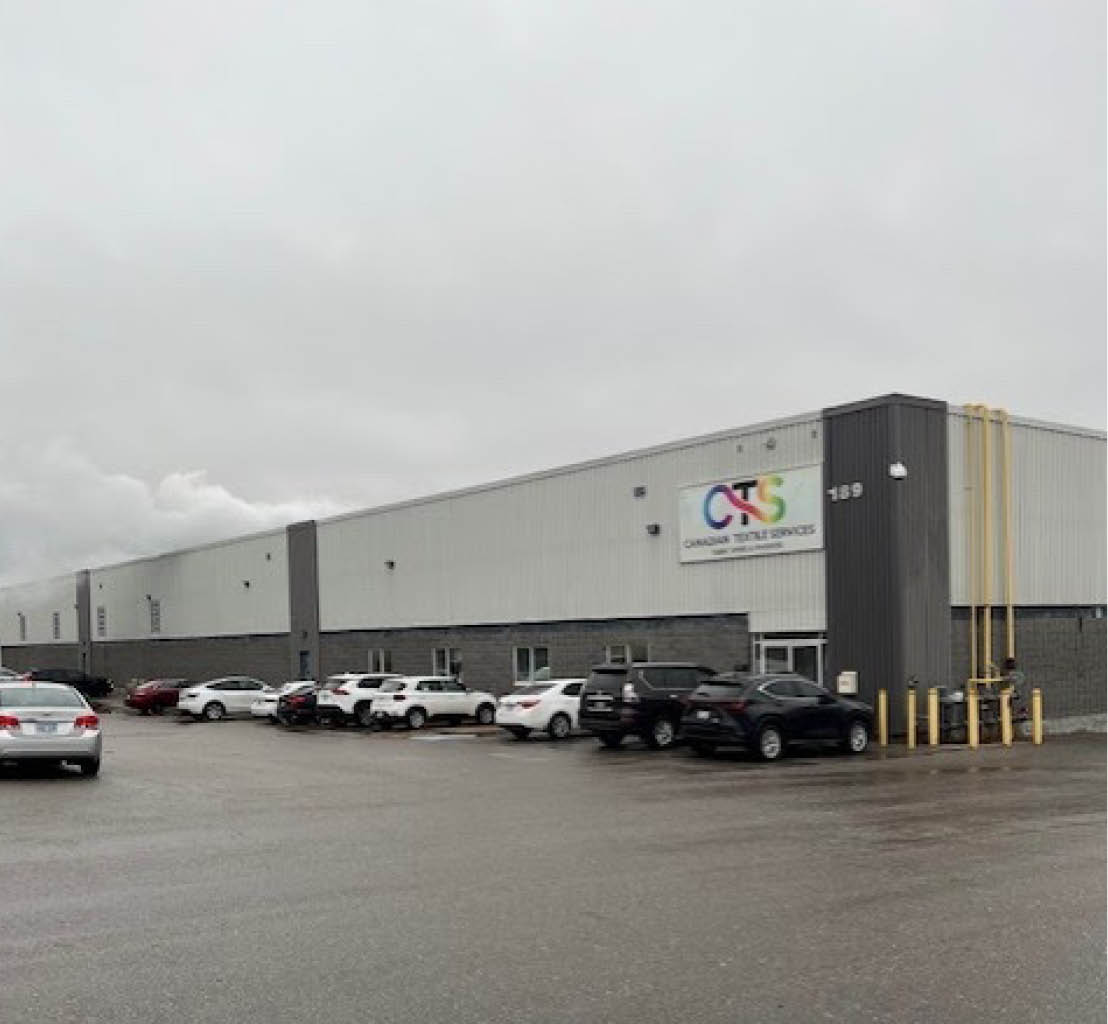
Headquarters Toronto, Ontario, where it operates a 60,000-square-foot knitting plant and a 160,000-square-foot dyeing and finishing facility.
Specialty Innovative, high-tech knit fabrics for sleep and apparel. Fabrics range from jerseys to jacquards, in a variety of weights and contents, including natural, synthetic and manmade fibers.
History Founded in 1997
Ownership Privately held by Harish Patel and his nephew Biren
Learn more FineCottonFactory.com
With 2025 being another solid year in both the sleep and apparel sides of its specialty and functional fabrics business, Toronto-based Fine Cotton Factory has several major initiatives in the works designed to keep its growth streak going.
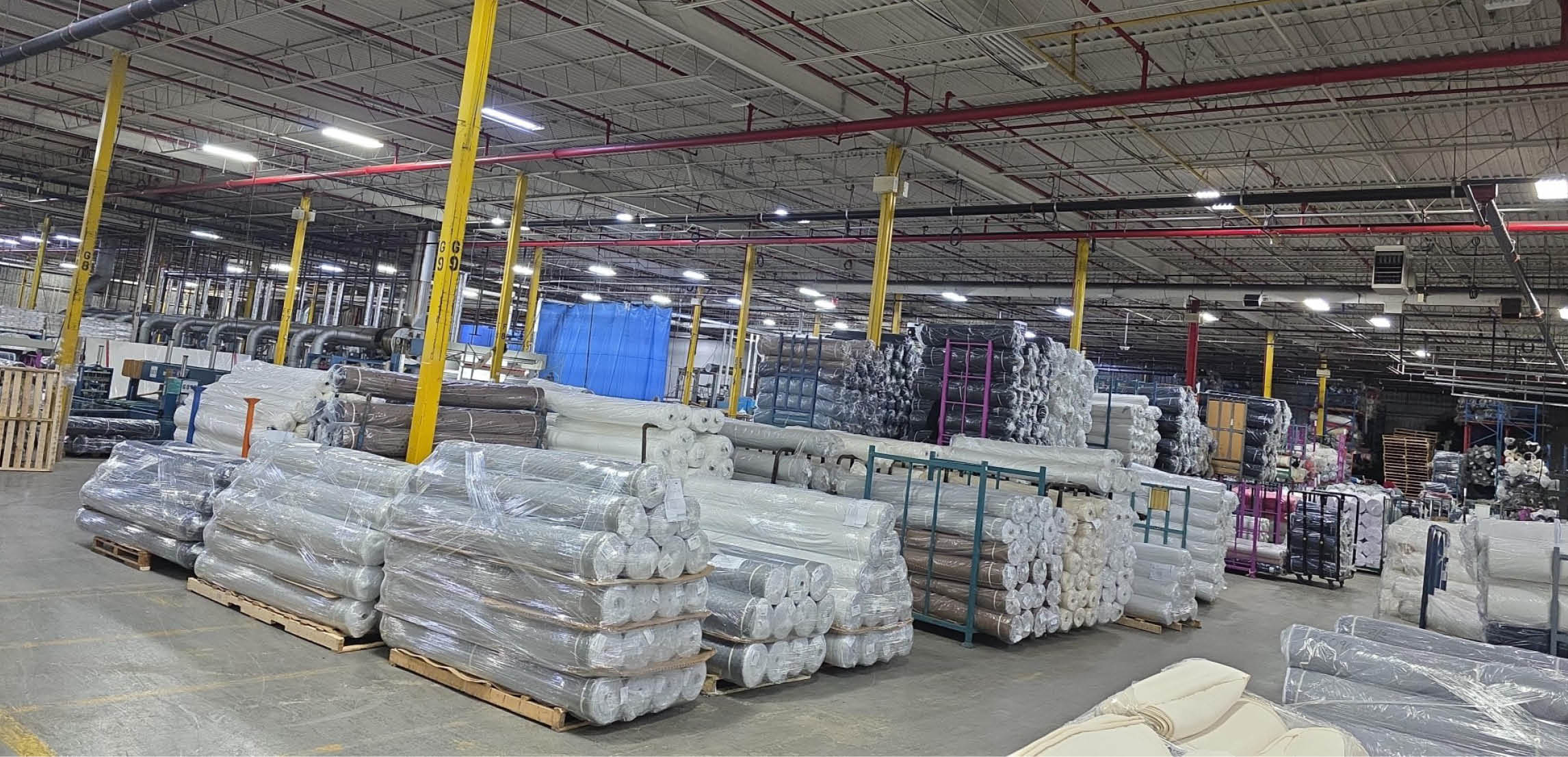
For starters, the circular knit producer and importer is in the process of adding two buildings. One building will be used for warehousing, replacing several sites that Fine Cotton Factory has been leasing across the Toronto metro area.
“We’re close to finalizing the acquisition of a new 50,000-square-foot warehouse where we can store all of our yarn, finished fabric, and other materials in one location close to our production,” says Skip Kann, executive vice president of sales and marketing. “This change will enable us to be more efficient, since everything we need will be readily available in one spot.”
The second building will house Fine Cotton Factory’s sewing and laminating operation. “We just bought six new knitting machines to keep up with demand, and we need to move the sewn product division out to make room,” Kann says, adding that the company now has 80 knitting machines capable of producing 25,000 yards per week of apparel fabrics and 25,000 yards per week of mattress ticking.
The company is also planning to buy a quilting machine for use with its zippered covers.
Fine Cotton Factory’s main facility is a 60,000-square-foot building in Etobicoke, Ontario. That facility houses knitting operations and business offices, plus a showroom and design studio. A state-of-the-art dyeing/finishing operation is housed in a 160,000-square-foot building in nearby Brampton, Ontario. The company’s workforce, including management, totals 180 people.
A team approach

Fine Cotton Factory was founded in 1997 as an apparel manufacturer by Harish Patel. Biren Patel, Harish’s nephew, started working with Fine Cotton Factory at age 22 and soon began modifying the company’s knitting machines to make them more adaptable to the needs of a diverse mix of customers. Today, as president, he continues to apply his engineering know-how to the company’s manufacturing operations while also overseeing a network of global sources and suppliers.
Fine Cotton Factory got off to a fast start in its early years as a supplier to the textile industry, supplying fabrics to high-profile brands such as Gap, Adidas, Reebok, Brooks, and Nike. Fine Cotton entered the sleep industry in 2010, when it purchased its first mattress ticking machines.
In 2014, Kann joined the company after 35 years of running his own dyeing and finishing company, Modern Dyers. During that earlier phase of his career, he played a key role in the development of stonewashing for denim blue jeans while working with Lee Jeans.
A broad assortment
Sleep products account for about half of Fine Cotton Factory’s business. The company offers a wide assortment of knitted fabrics for sleep, from mattress ticking and borders to toppers, mattress pads, and sheet sets. The product mix includes a broad range of exclusive, in-house designed patterns and textiles for the sleep industry, as well as customizable patterns and programs. Fine Cotton works with all the latest yarns and colors and, with its own advanced dyeing capabilities, can match virtually any color that is requested by customers.
In addition, the company offers a variety of fire-retardant solutions, including its patented Slayer line of single-layer fabrics for latex beds. The line features FR socks and decorative covers with inherent protection. In 2023, Fine Cotton Factory also added a top-of-bed program, which includes juvenile bedding that incorporates high-resolution dye-sublimation imagery.
Nearly 80% of Fine Cotton’s total sales involves products made in its own plants, with import partners in India and other Asian countries accounting for the remainder. With imports, Fine Cotton looks to provide customers with fabrics it doesn’t make in-house, such as woven ticking.
“We want to make it easy for our customers to do business with us by providing one-stop-shop convenience,” Kann says. “Here in Canada, there is no such thing as valet parking. We learned from our friends in the U.S. how it feels to be treated special, so when it comes to providing fabrics for our customers, we offer no-hassle, valet-type treatment every single day.”
Since both Biren Patel and Kann have the role of “buyer” in their job descriptions, Fine Cotton keeps a close eye on trends in logistics. “We know freight is getting more expensive, so we do whatever we can to make our shipments as efficient as possible,” Kann says. “We work hard to prepare our fabric pallets before they go out the door so that loads are maximized and costs are minimized. We hate for anyone, including us, to waste money.”
Fine Cotton’s order process also is streamlined, with the company handling all documentation, clearance, and other freight arrangements, Kann adds. “We make it easy for customers in the U.S. to do business with us.”
A two-pronged mission
Over the past 29 years, under the direction of Biren Patel, Fine Cotton Factory has been quietly building a growing base of customers in Canada and the United States by focusing on two key goals: product innovation and sustainability. The company’s “333 King of Jersey” technology, introduced in 2023, provides a good example of how Fine Cotton works hard to raise the bar in both areas.
In creating the 333 apparel line, the company developed new machinery that is capable of knitting jersey fabrics that shrink three-width by three-length by 3% torque (or strength) in 100% cotton. The company’s exclusive machinery ensures that the twisting force that gives the yarn or thread its torque is wound together in a compact fashion to ensure that the fabric shrinks no more than 3%.
Historically, apparel manufacturers have tried to tackle the shrinkage issue by washing finished garments prior to sale. Fine Cotton Factory was washing 700 rolls a day to achieve this performance standard prior to the development of 333 jersey.
“We’re talking about millions of garments a week that had to be washed prior to sale, which wasted an incredible amount of water and energy,” says Skip’s son Michael Kann, business development specialist. “Our ‘King of Jersey’ technology requires no pre-washing at all, so there’s no wasted energy in its production. The resulting savings to our customer was gigantic, and our environmental footprint was significantly reduced.”
While 333 is used mostly in apparel, the technology also is used in some of Fine Cotton’s sleep products. Those applications include sheets, toppers, and zippered mattress covers.
Fine Cotton Factory takes great pride in the many innovations it has brought to market during its nearly 30-year history. The company has been an early mover on many new technologies, from phase-change materials and antimicrobial treatments to copper and graphene yarns and Celliant fibers.
As a leading player in the Canadian apparel industry, Fine Cotton Fabrics is always looking for ways to push the envelope on fashion and function. “The sleep side of our business benefits from our involvement in apparel, and our apparel business benefits from our involvement in sleep” Kann says. “For example, all the yarn we use is apparel-quality yarn that must pass strict standards to earn a spot in apparel retail markets, and we leverage that quality to create greater products for the sleep market.”

Fine Cotton’s apparel business also gives it a front-row seat for the latest design trends, he adds. “We are always looking for creative ways to make beds stand out. Right now, we’re doing some fun things with texture and color, including black geometric covers with pine-green and copper yarns. Granted, there’s only so many ways to render a circle pattern, but we try to make it as fresh as we can.”
A social responsibility
Since taking the company’s helm, Biren Patel has made sustainability a top priority. Fine Cotton’s line includes an assortment of eco-friendly textiles and fabrics made with organic cotton, and the company also uses organic, biodegradable dyes for the bulk of its line. On the operational side, the company recycles raw material and fabric waste, and it operates “clean rooms” for production that reduce waste and ensure quality.
As the only vertically integrated textile manufacturing business in Canada that includes a finishing facility and a dye house, plus sewing, laminating, and quilting, Fine Cotton Factory is certified by the Global Organic Textile Standard, or GOTS, in all the post-harvest processing stages of organic cotton, including spinning, knitting, weaving, dyeing, and manufacturing. In addition, the company has been certified as meeting the Global Recycled Standard, which tracks and verifies the content of recycled materials in finished products, including textiles.

The company is now in the beginning stages of applying for Net Zero certification. The ambitious goal is part of Canada’s national commitment to achieve net-zero emissions by 2050. Fine Cotton also is preparing for the release of the new GOTS standard, which will involve a comprehensive review of its operations.
“Achieving these certifications for our sustainability requires a big investment in time and resources, but it’s a cause we believe in,” Kann says, adding that sustainability has three dimensions at Fine Cotton. “Sustainability to us means the environment, people, and product. We’re committed to all three areas, with people being the most important element of all.”
As part of that mission, Fine Cotton Factory pays its workers a “living wage” of at least $26 per hour rather than the standard minimum wage. “Our people are the cornerstone of our success, and we want them to thrive—not just survive,” Kann says.
When it comes to the sourcing of raw materials, Fine Cotton tries as much as possible to work with local suppliers. Such “nearshoring” reduces shipping costs, shortens lead times, and facilitates superior quality control, Kann says. It also allows for closer oversight of production and quicker responses to market demand.
A nimble mindset
For finished products, Fine Cotton has a select group of overseas partners that it relies on for goods that it doesn’t make domestically. At one point recently, it came close to opening a company-owned plant in India, but plans were put on hold when the Trump administration imposed much higher tariffs on fabric exported from India. Even so, the company continues to operate a dozen of its own knitting machines in India as part of a supplier partnership.
So far, the potential for higher tariffs on Canadian textile shipments has not had any major impact on Fine Cotton’s U.S. business. But the company continues to watch the situation closely, and it has a variety of contingency plans in the event U.S. tariffs on Canadian textiles suddenly spike. The plans include adding warehousing and/or knitting capacity for sleep fabrics in the United States.
“Biren is a U.S. citizen, so this is something that is quickly doable for us, and we continue to give serious thought to it with many options available through our network of U.S. partners, regardless of what happens with tariffs,” Kann says. “We’ll do whatever makes the most sense for our business—and for our customers.”
In 2025, Fine Cotton Factory’s apparel business enjoyed another strong growth year. One factor driving sales, according to Kann, is the surge of interest in Canadian-made goods. “This is a new phenomenon for us,” he says. “The tariff situation sparked a new pride in things made here, including apparel.”
In the bedding segment, growth has been harder to come by, as the industry on both sides of the border continues to struggle. One bright spot for Fine Cotton, however, has been its ability to attract new customers.
“Once we get our foot in the door, our ability to deliver quality products at a fair price leads to more and more business over time,” Kann says. “Customers trust us. And we also treat them the way we would like to be treated, day in and day out.”
Going forward, Fine Cotton Factory will continue to look for ways to leverage the latest technology in product design, production, and customer service.
“We keep a close eye out all the time for new technologies,” says Michael Kann, who works closely with his father and Biren Patel in the management of Fine Cotton. “So much is happening in the areas of digital imaging, smart manufacturing, computerized knitting, and artificial intelligence. Our operation is already highly automated, and we are always interested in new tools that can improve workflow and productivity.”