Las Vegas Market always has a way of putting the industry’s ongoing evolution into focus. Over a few fast days, product updates, material innovations, and positioning shifts highlight the creative and strategic demands placed on brands as they work to differentiate and refresh their offerings. This winter, what stood out wasn’t a single must-have material or one breakout product concept. It was the growing sense that many brands are trying to make sleep products easier to understand, sell, and personalize—without turning the purchase into an overwhelming science project.
Across bedding showrooms, the most interesting stories weren’t always about “more” (more features, more SKUs, more claims). They were about clarity: clearer good/better/best logic, clearer “why this matters,” and clearer ways to connect product benefits to what consumers are already asking for: comfort and support, yes, but also cooling, physical fit (how the mattress and accessories adapt to different sleepers), and wellness.
That clarity showed up in a few recurring themes.
Sleep is getting more personal—and merchandising is adapting
Personalization has been a long-running conversation in sleep, but this Market offered several examples of brands framing it as a retail-ready story: not just “custom,” but custom that can be explained quickly and sold confidently.
One example was BEDGEAR, which positioned “Sleep Just Got Personal” as a through-line. The message connected modular hybrid mattresses (designed to let each sleeper customize their side of the bed) to accessories such as performance sheets and pillow fitting, emphasizing personal fit and airflow, while incorporating sustainability considerations through materials and product design.
This is the kind of framing that matters on a sales floor: When the consumer is already overwhelmed, the strongest story isn’t “Here are 17 features.” It’s “Here’s the one idea that connects everything.”
Product ‘systems’ customers can build over time
A second thread was a shift away from isolated one-time purchases and toward products that feel more like systems designed to be upgraded, paired, or maintained in ways that extend value.
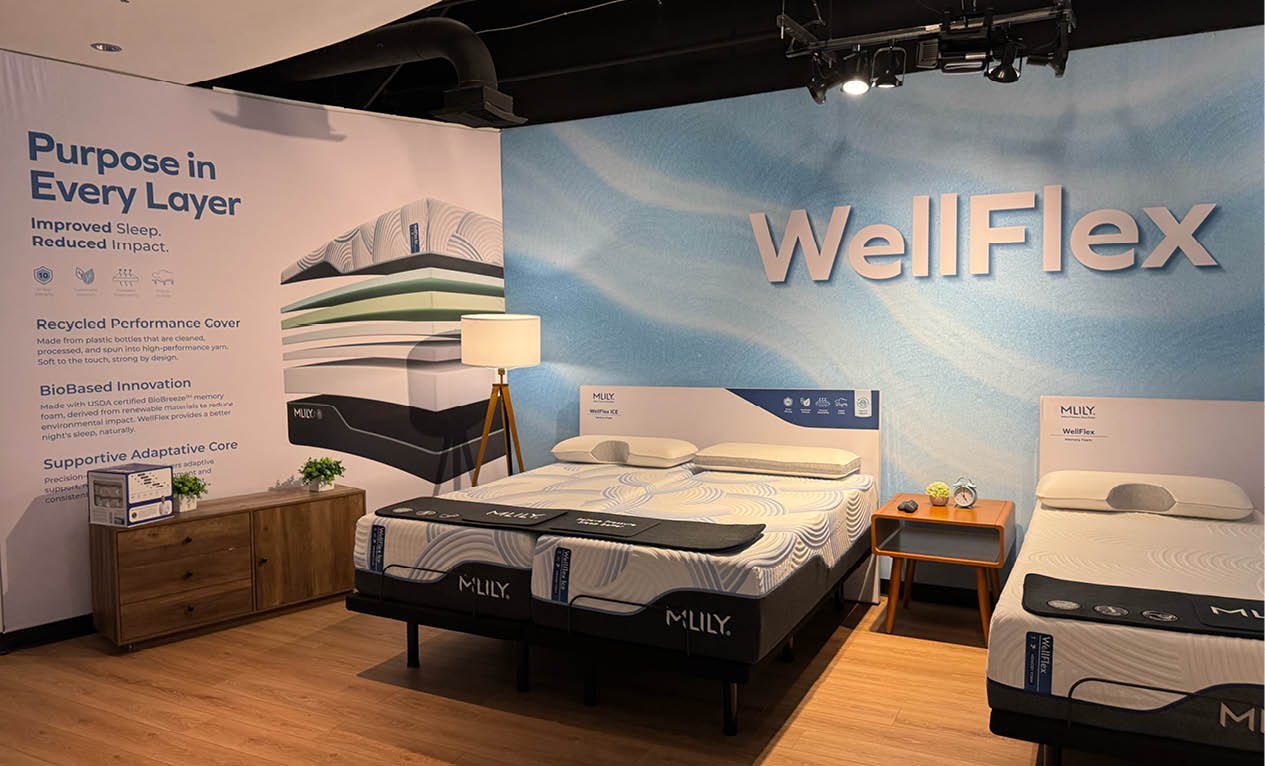
For example, MLILY USA highlighted a bundled approach, pairing a split-head mattress with an adjustable base and topper, positioning the package as a unified “dream team” built around comfort, cooling, and customization while also creating clearer step-up opportunities in retail.
Symphony Sleep tackled an unglamorous but very real retail challenge—cosmetic damage to the mattress surface—with a replaceable fabric cover system built into its adjustable base lineup. The message wasn’t “look at this flashy innovation.” It was more pragmatic: Protect margin, extend product life, and improve operational efficiency without adding service complexity.
These aren’t the only ways brands are thinking “system,” but they show the broader
direction: make the product story last beyond the moment of purchase and give retailers a clearer framework to support upgrades, replacements, accessories, and ongoing service conversations.
Cooling isn’t going away; it’s evolving into a portfolio strategy
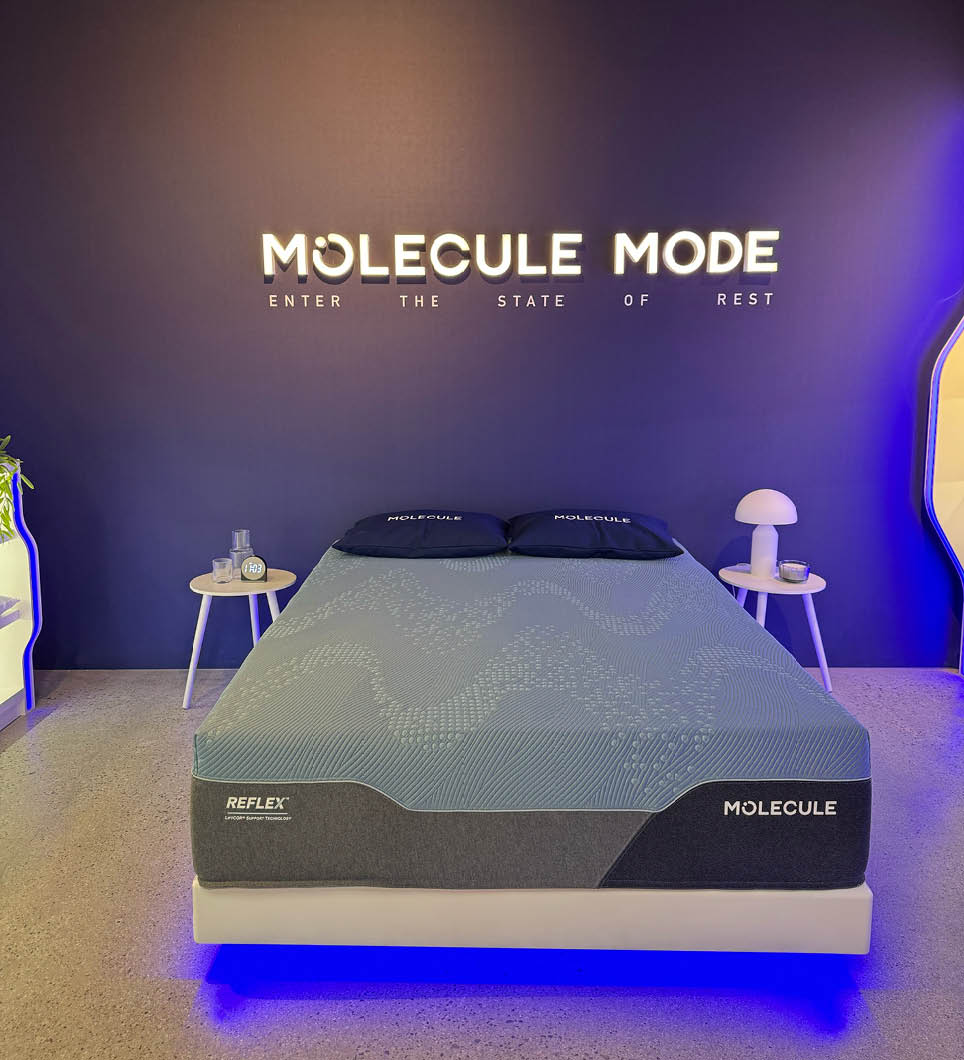
Cooling has been prominent for years, but this Market suggested how the category is maturing: It’s becoming less a one-feature selling point and more a portfolio strategy that brands can scale across good/better/best.
Malouf, for instance, described a progressive range of cooling technologies across foam and hybrid constructions, including a premium line that leans on phase change materials, cooling foams, and zoned pocketed coils, with the explicit goal of creating clearer differentiation and pricing tiers for retail.
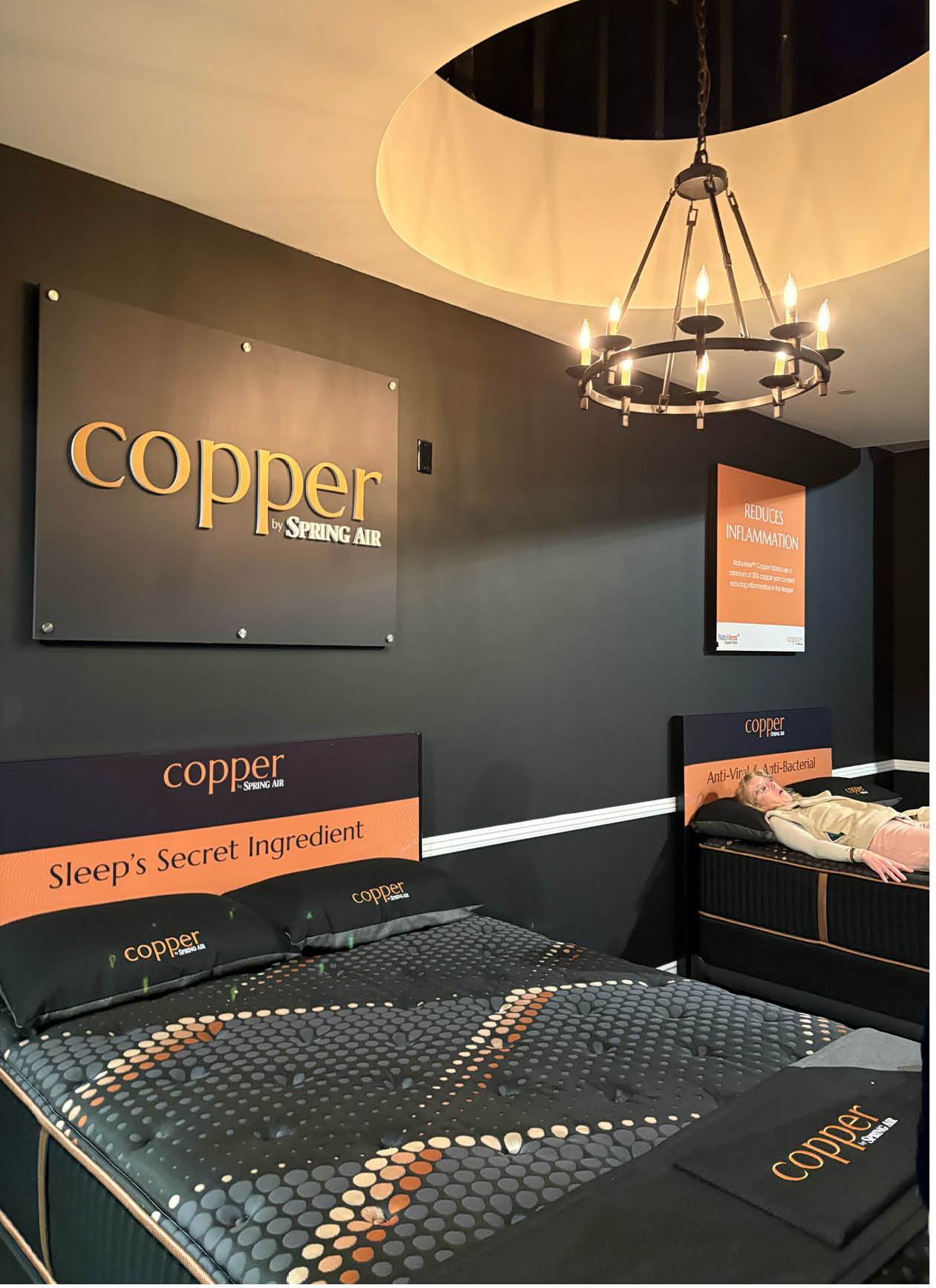
King Koil also emphasized cooling within a new gel collection, describing a progressive spiral gel grid designed to support a “weightless, adaptive sleep” experience. (And, yes, copper came up repeatedly in conversations and product storytelling as part of broader “cooling + wellness” narratives, even when it wasn’t the headline.)
The takeaway here isn’t “cooling is new.” It’s that more brands are working to make cooling legible—not a vague claim, but something they can explain as a spectrum of approaches and price points.
Sustainability means less slogan, more trade-offs—and certifications still matter
Sustainability messaging also felt more grounded this Market, not because brands are backing away from it, but because many are acknowledging that sustainability is often a series of trade-offs: materials, sourcing, durability, packaging, and end-of-life questions that don’t resolve into one perfect label.
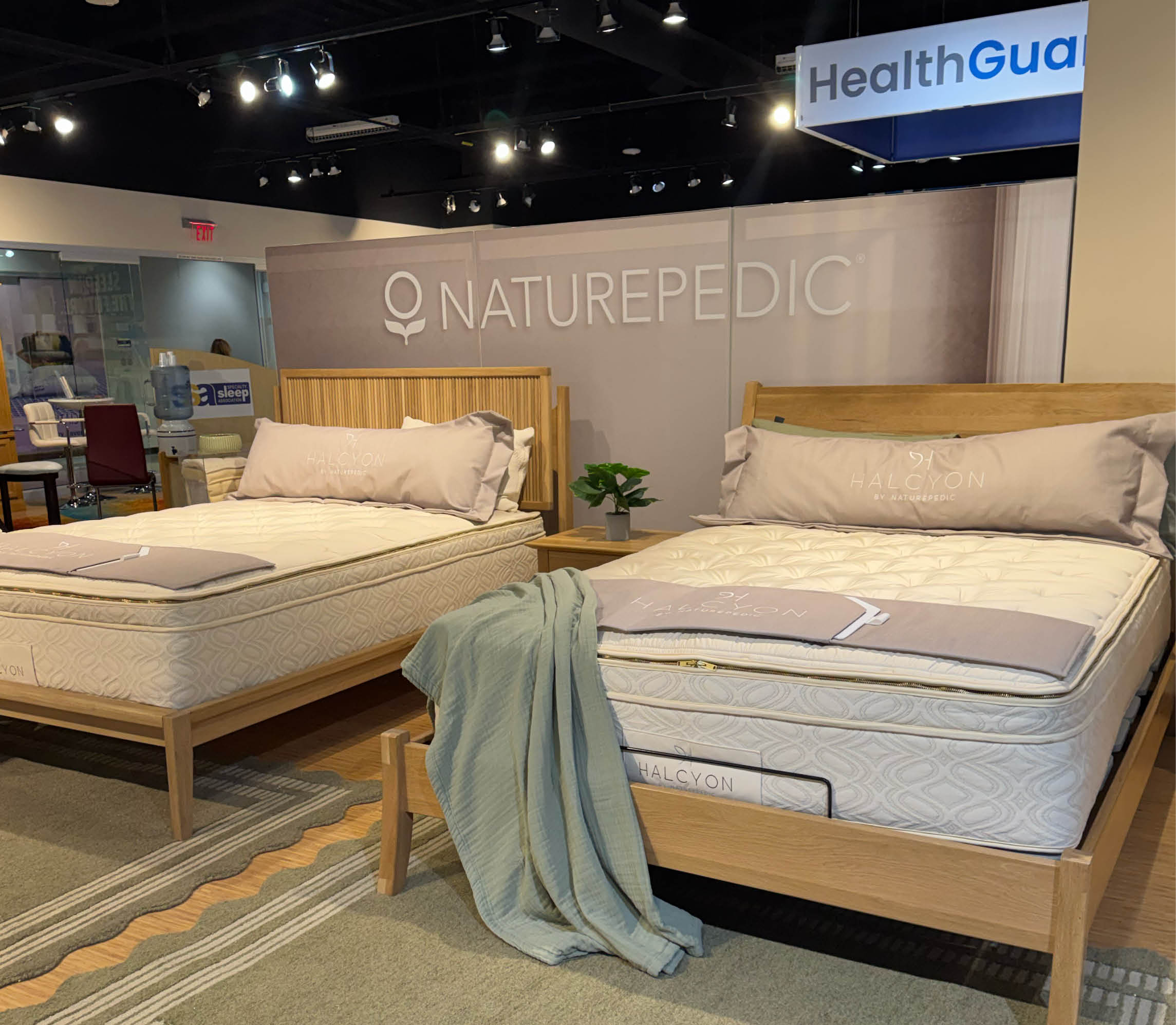
At the same time, it’s important not to imply that verified certifications are “just buzzwords.” For brands that make sustainability central to their mission—including companies like Naturepedic—third-party certifications and transparent standards are part of what turns values into verifiable practices. The same is true further upstream, where manufacturers such as Carpenter influence how sustainability claims are substantiated through material composition, durability, and compliance with recognized standards. In other words, skepticism about empty claims is healthy. Skepticism about credible verification is not the goal.
This is a place where the industry’s maturity shows: fewer sweeping statements, more specificity about what’s being done and what the limits are.
Product storytelling is getting sharper
One of the simplest ways to describe this year’s bedding presence is that many brands were clearly investing in product storytelling that works beyond the show: cleaner narratives, clearer merchandising logic, and assets that can live on after Market ends.
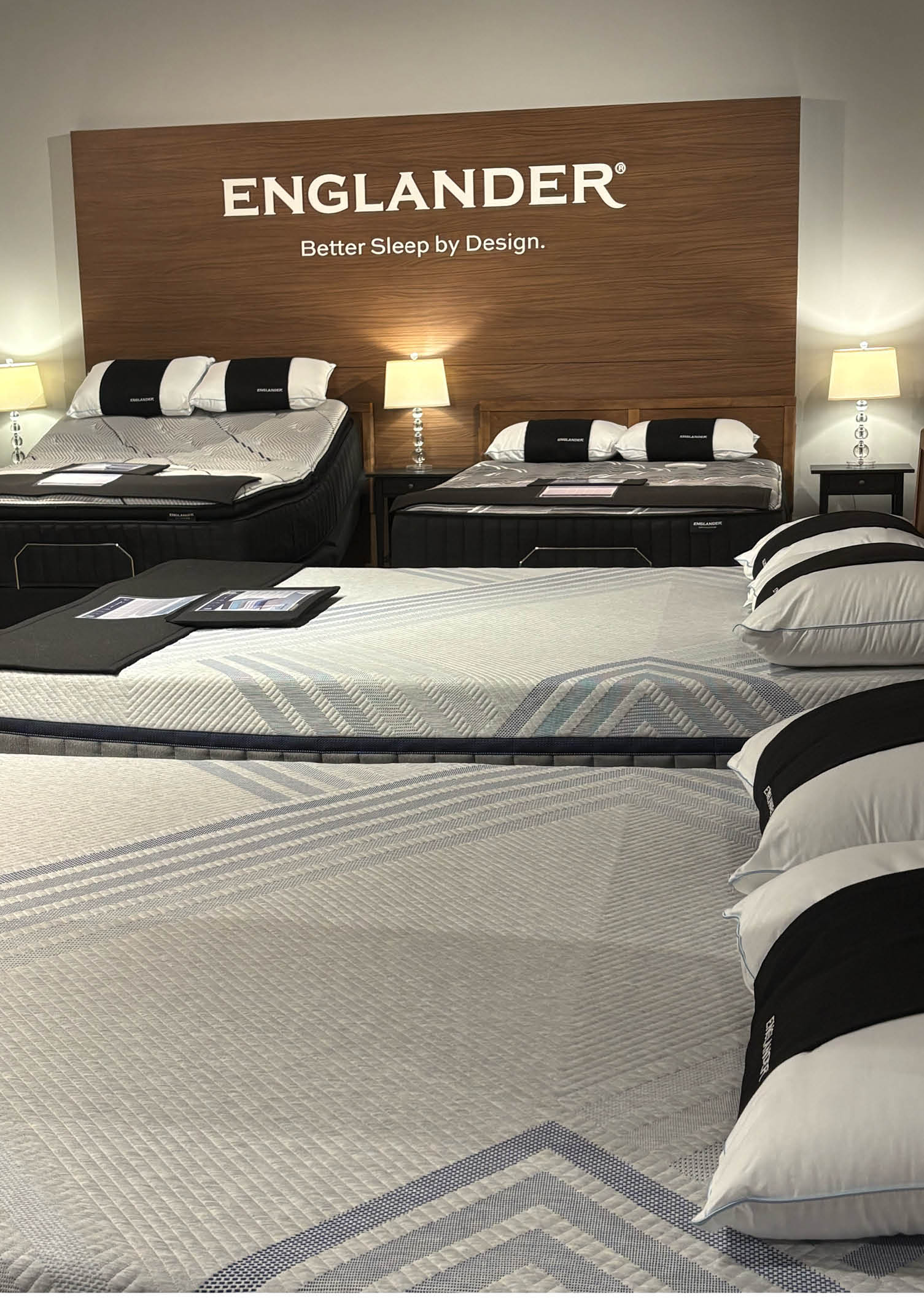
Englander offered a strong example of that “beyond the show” mindset with a virtual showroom experience intended to help retailers explore products, access specs and videos, and revisit the showroom after Market concludes.
Several other updates and launches were framed in ways that were explicitly retail-facing:
- Weekender described a brand refresh and updated lineup designed to make value, comfort, and product storytelling clearer for both retailers and consumers.
- Diamond Mattress previewed new and expanded collections focused on comfort technologies and retail-ready merchandising, emphasizing clearer presentation for retail environments.
- Carpenter introduced a ZIPR™ mattress concept built around sustainability and circularity in construction, with an assembly approach designed to enable component replacement over time.
These aren’t all the same kind of story, but they point in a similar direction:
Market isn’t just where brands show what’s next. It’s increasingly where they test how they’ll explain what’s next.
If there’s a single macro takeaway … it’s that many brands seem to be pushing toward sellable clarity: personal fit without confusion, system thinking without complexity, cooling without hand-waving, and sustainability that
acknowledges trade-offs while still valuing verification.
Retail is adapting to the better-informed customer
A final thread is that shoppers have more information in hand than ever, and that changes the role of the retail sales associate and the expectations placed on the sales process. What’s different now isn’t that people can look up reviews (they could do that years ago). It’s that brands and retailers are trying to integrate digital information into the in-store experience instead of competing with it.
In several showrooms, for example:
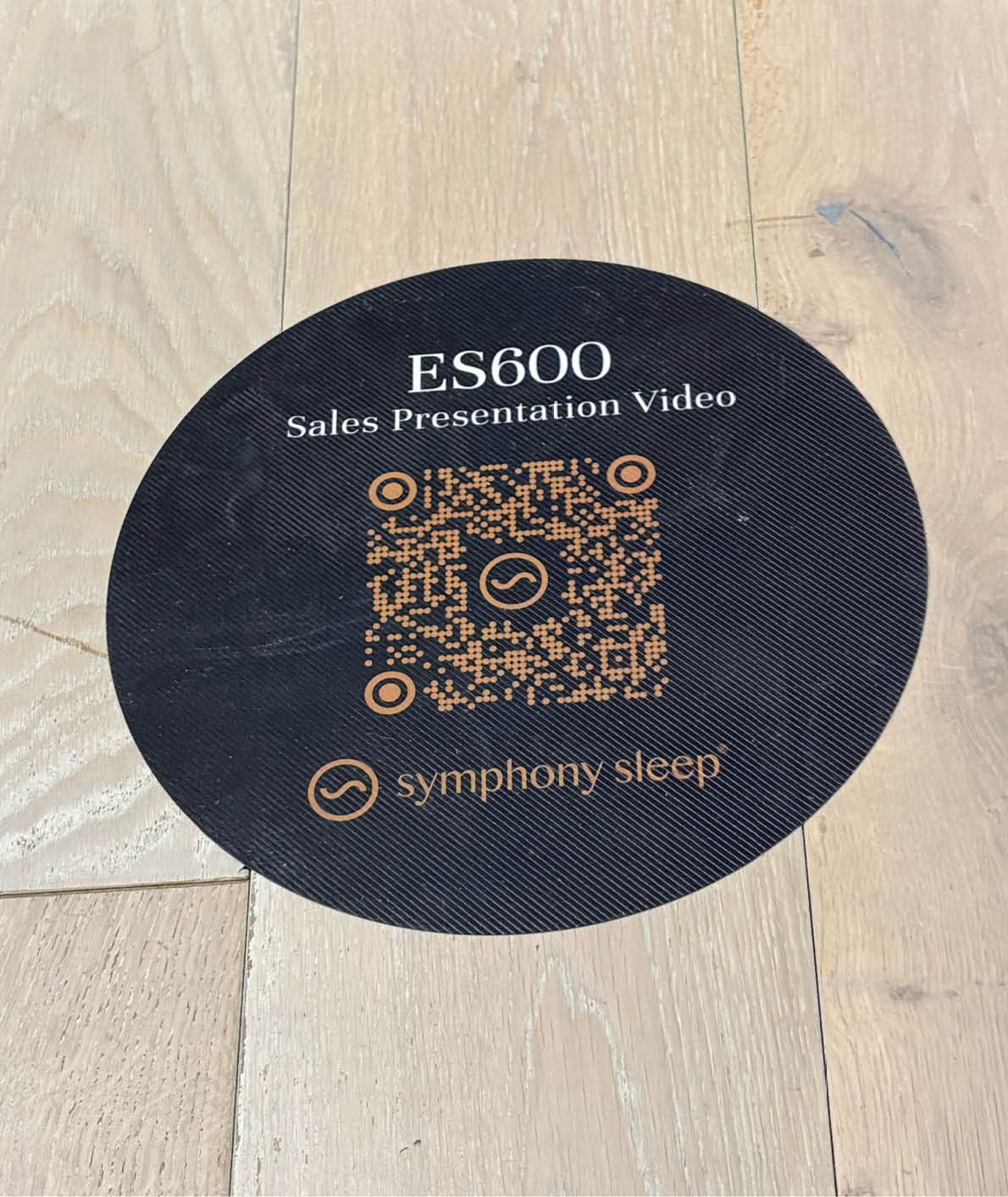
- QR-enabled product content was positioned so shoppers could scan for videos, specifications, or comfort explanations during the sales conversation.
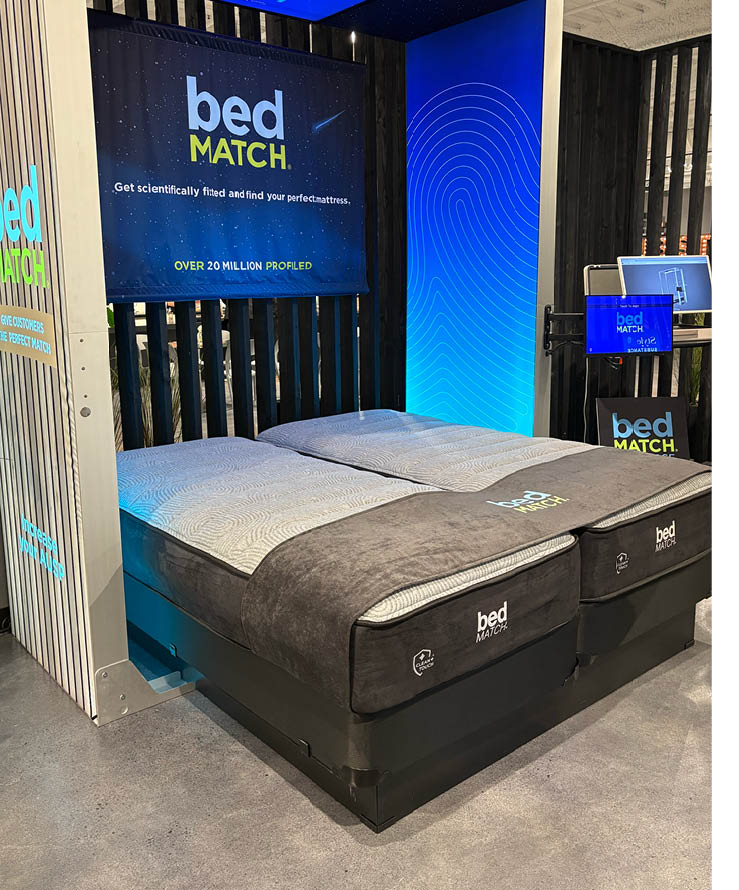
- Digital tools and screens appeared alongside product displays to support comparison, education, or guided discussion rather than replace the RSA.
Rather than serving as the sole source of information, RSAs are increasingly positioned as guides, helping validate what informed shoppers already know, clarify differences between options, and move conversations forward with greater confidence and efficiency.
It added up to a Market focused on clarity as much as innovation
If there’s a single macro takeaway that holds across these examples, it’s that many brands seem to be pushing toward sellable clarity: personal fit without confusion, system thinking without complexity, cooling without hand-waving, and sustainability that acknowledges trade-offs while still valuing verification.
For those who attended, the value of a Market wrap like this is in seeing patterns that are easy to miss when you’re moving showroom to showroom. For those who didn’t attend, it’s a guided view of what mattered—not in the sense of “here’s everything,” but “here’s what these launches and storylines suggest about where the category is headed.”
For the industry overall, it’s a useful reminder: The products keep evolving, but the real differentiator may be how well those products can be explained—clearly, credibly, and in language that actually resonates with customers.