
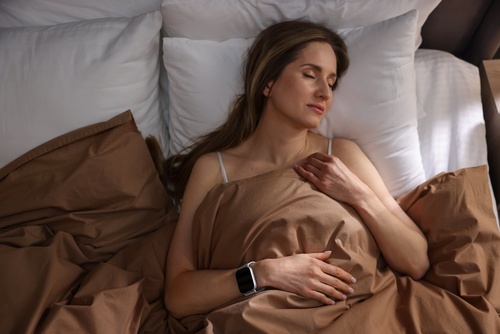
Sleep is increasingly being treated as a central part of health and wellness, rather than simply a nightly routine. New trend forecasting from the Global Wellness Institute suggests that shift is influencing everything from hospitality and home design to product innovation.
The organization’s “Sleep Initiative Trends for 2026” report highlights several developments shaping the broader sleep economy, including growing consumer interest in sleep-focused travel, more personalized sleep environments, and technology designed to make sleep more measurable and customizable. The report also points to rising demand for products and experiences that support circadian rhythms, reduce stress, and create more restorative home environments.
Another theme running throughout the report is a movement away from “optimization overload” and toward simpler, more integrated approaches to wellness. While sleep tracking and connected technologies continue to expand, consumers are also showing increased interest in environmental factors such as lighting, acoustics, temperature regulation, and material choices that contribute to overall comfort and recovery.
Sleep continues to show up in a wider range of wellness conversations, from home design and hospitality to recovery and stress management. As those ideas become more mainstream, manufacturers are watching how consumer expectations around comfort and restorative environments continue to evolve alongside them.
Sources:
Global Wellness Institute – Sleep Initiative Trends for 2026