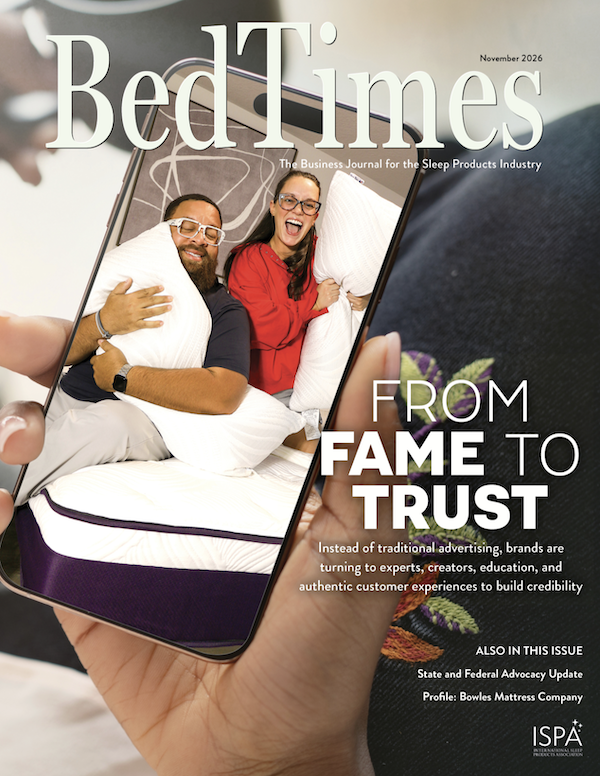
For decades, a recognizable celebrity could give a mattress brand an instant dose of visibility. A familiar face could make a product memorable, associate it with a certain lifestyle, and put a mattress in front of consumers who might otherwise overlook it. But as modern shoppers gain unprecedented access to reviews, product information, expert opinions, and social media content, recognition alone is becoming a less reliable path to purchase.
Today’s mattress shopper is more likely to research before buying, compare competing products, and look for validation from multiple sources. That shift is prompting mattress brands to rethink the role of endorsements and partnerships. Rather than relying exclusively on celebrity recognition, many brands are looking to influencers, healthcare professionals, sleep experts, wellness personalities, and other trusted voices who can provide context and credibility.
“The biggest shift we’ve seen isn’t from celebrity marketing to influencer marketing—it’s from attention to trust,” says Jeff Brown, president of Big Fig Mattress. “Brands that earn trust will outperform brands that simply buy attention.”
Tim Oakhill, chief marketing officer at Serta Simmons Bedding, sees a similar evolution, although he says the opportunity extends beyond choosing one type of spokesperson over another. “We see expert voices, trusted educational content, and authentic partnerships continuing to play a key role, but we also believe the brands that succeed will be the ones that connect sleep to everyday life in relevant and culturally meaningful ways,” Oakhill says.
For Serta Simmons Bedding, that strategy builds on the credibility of its Serta and Beautyrest brands and their long histories in the category. “We have the credibility to lead those conversations, building on more than 100 years of sleep innovation and the rich heritage of two iconic brands, Serta and Beautyrest, that have continuously pushed the industry forward in helping people sleep better and live better,” Oakhill says.
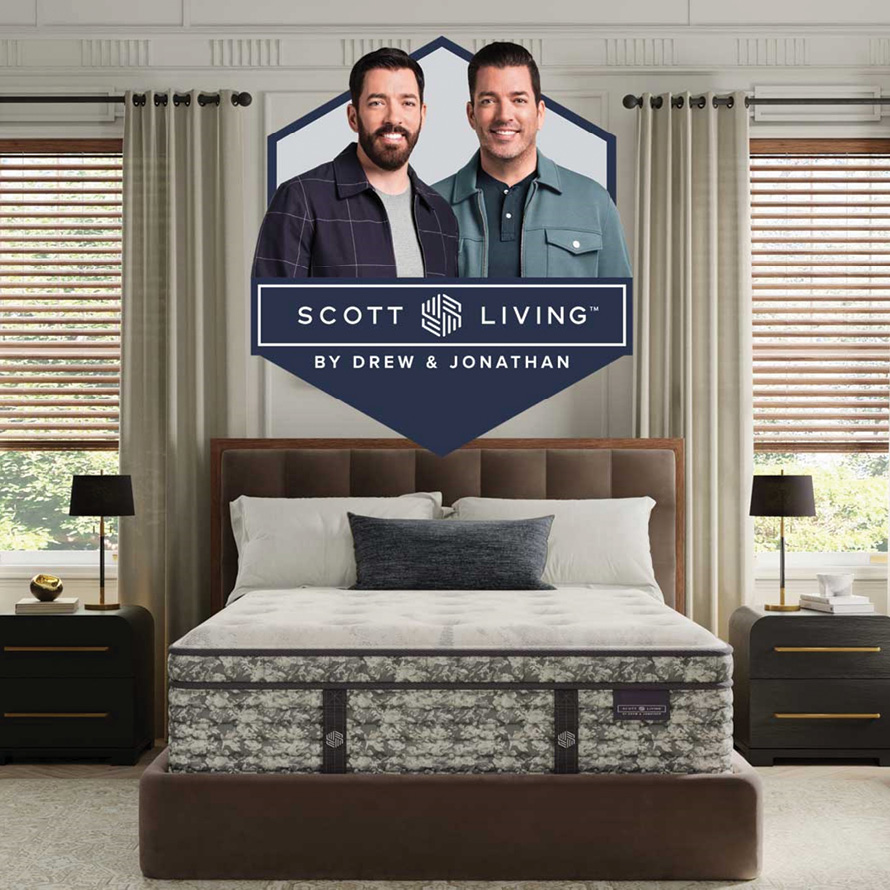
That doesn’t mean celebrity partnerships are disappearing. Instead, brands are increasingly evaluating whether a potential spokesperson brings something beyond name recognition. For King Koil, for example, a partnership with home-design personalities Drew and Jonathan Scott provides access to an audience already interested in home furnishings. Other brands are taking a more education-focused approach, using experts and creators to explain materials, construction, and the relationship between sleep and overall wellness.
Trust takes center stage
The changing marketing landscape reflects a broader shift in consumer behavior. Mattress shoppers have always faced a significant challenge in evaluating a product they cannot easily judge before purchasing. Digital tools have added another layer, giving consumers the ability to investigate brands and products long before they enter a showroom or click the buy button.
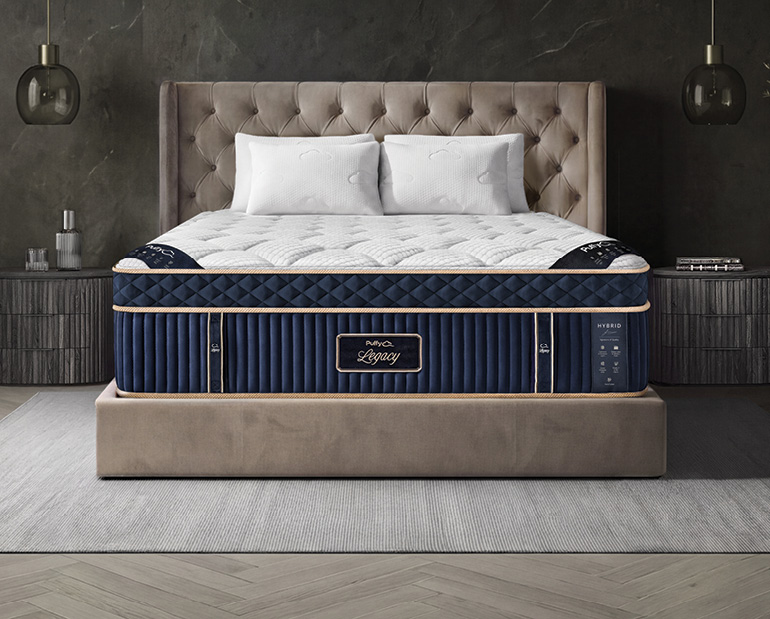
Brad Haralson, director of retail at Puffy, says consumers can now research products, read reviews, and hear from people they trust before ever making a purchase. That has changed the role of marketing.
“Our focus has been more on giving the customer enough confidence to make the decision for themselves,” Haralson says. “Ultimately, we’d rather earn trust through the customer’s actual experience with the product than rely on someone else to create that trust for us.”
For brands that do use outside voices, authenticity has become a critical consideration. Avocado Green Brands’ Laura Scott, director of brand marketing, asserts, “Authenticity is the baseline. We’re looking for partners whose values, content, and audience genuinely reflect who we are as a brand.”
That evaluation extends beyond follower counts. Brands are examining engagement, audience demographics, content quality, and the individual’s broader public presence.
Big Fig similarly prioritizes the quality of a relationship over the size of an audience. “We prioritize the right fit over the biggest following, because we’ve found that a smaller, highly engaged audience often delivers greater credibility and better business results,” Brown says.

Identifying the influencers
For mattress brands, finding the right influencer is about more than reach—it starts with identifying partners whose genuine interest and values align with the brand.
According to Scott, the process often begins with inbound interest. “Partners who have discovered our products and brand on their own terms and want to work with us—that organic starting point is invaluable because it means the enthusiasm is real,” she says.
From there, Avocado vets an influencer’s content, audience, and values as thoroughly as it can before moving forward. Then, “once a partnership is underway, we’re deliberate about keeping the creative space open,” she says. “Rather than providing rigid scripts or overly produced requirements, we align on key deliverables and then step back, because we believe the most effective content is honest content, and honest content requires creative freedom.”
For Brown at Big Fig, partnership also starts with finding the right fit. The company’s in-house influencer manager, Jo Schopper, identifies potential partners through research, social listening, inbound interest, existing relationships, and creator discovery platforms such as Klear.
“We carefully evaluate audience demographics, engagement, content quality, brand alignment, and, where appropriate, professional credentials. Once a partnership is established, we provide product education and clear objectives, but we intentionally avoid scripting the content,” Brown says. “The reason we partner with these creators is because they know how to connect with their audience, and that authenticity consistently delivers stronger results than heavily produced advertising.”
For King Koil, authenticity also has been central to its relationship with the Scott brothers. CEO David Binke says their passion for the home furnishings industry and commitment to quality make them a natural fit for the brand.
The partnership demonstrates that celebrity relationships can still work when the celebrity’s audience and interests align meaningfully with the product. King Koil says the Scott brothers’ combined social media following exceeds 22 million, with nearly 80% of followers between ages 25 and 54.
The value, Binke says, goes beyond exposure. The partnership helps retailers reach consumers who are already engaged with the home category.
Experts add context
The move toward trusted voices is particularly relevant in the mattress category because consumers increasingly view sleep as part of a larger wellness equation. A mattress is no longer marketed simply as a bedroom furnishing. Brands today talk about support, recovery, comfort, temperature regulation, and the role of quality sleep in overall well-being. That has created more opportunities for healthcare professionals and sleep experts to participate in the conversation. Their value, however, isn’t necessarily that they can make a product claim more persuasive. It is that they can help consumers understand why certain features might matter.
“Consumers understand the difference between someone who lends their name to a product and someone who actually has the credentials and lived experience to back up what they’re saying,” Laura Scott says.
Saatva Chief Marketing Officer Joe McCambley similarly says experts can explain the “why” behind a recommendation, making their role more educational than promotional. “For a category like sleep, I think expertise carries a lot of weight,” he says. “Experts help provide that context in a way that’s educational rather than promotional, and that builds confidence.”
That distinction is important as consumers become more cautious about marketing claims. Haralson says Puffy focuses on explaining what its products are designed to do while avoiding claims that extend beyond what the company can substantiate.
“Sleep has definitely become a much bigger part of the wellness conversation,” Haralson says. “For us, that means focusing more on the actual sleep experience—comfort, support, temperature, and how the mattress feels over the course of a full night.”
The approach reflects a broader opportunity for brands to use education as a marketing tool. Instead of simply promoting a mattress, companies can help consumers understand materials, construction, sleep needs, and the factors that influence comfort and support.
The biggest shift we’ve seen isn’t from celebrity marketing to influencer marketing—it’s from attention to trust. Brands that earn trust will outperform brands that simply buy attention.
— Jeff Brown, president, Big Fig Mattress
Wellness changes the conversation
The growing emphasis on sleep and wellness has also influenced product positioning. For some brands, the wellness conversation represents an extension of an existing philosophy rather than a new marketing direction.
“Healthier sleep has been central to our brand since day one, so in many ways, the broader wellness movement has simply brought the wider market closer to where we’ve always stood,” Scott says.
King Koil has seen a similar connection between wellness and product development. Its Natural by King Koil collection has become its bestselling line by unit volume, Binke says, explaining that consumers increasingly want to understand what’s inside their mattresses and why specific materials matter.

“We’re always looking for ways to incorporate natural components that enhance comfort and support while creating a meaningful product story,” he says.
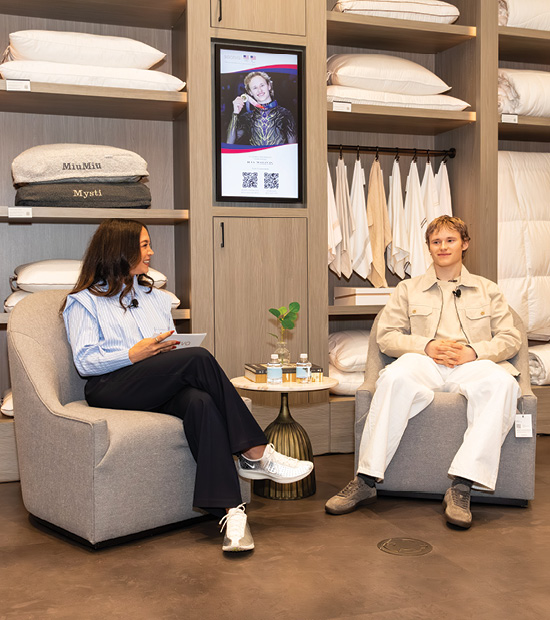
Saatva also has expanded its educational approach through its “Sleep Enlightened” blog and in-person Viewing Rooms, McCambley says. The goal is to provide information that helps shoppers navigate a complicated purchase rather than simply direct them toward a particular product.
For Serta Simmons Bedding, the wellness conversation is similarly expanding the definition of what mattress marketing needs to address. Oakhill says the industry is moving toward a broader understanding of sleep as a component of long-term health and wellness.
“The future of mattress marketing is really the future of sleep marketing,” Oakhill says. “As consumers become more focused on longevity, recovery, and overall wellness, sleep will continue to be viewed as a critical pillar of health. That shift is taking the conversation to a whole new level, moving beyond a mattress-centric view of sleep to a focus on the entire sleep environment and the role it plays in overall well-being.”
The younger consumer factor
Millennials and Generation Z are accelerating these changes because of how they approach purchases. These consumers are accustomed to researching products across multiple platforms and are less likely to rely on a single advertisement to make a decision.
“They’re incredibly informed shoppers,” McCambley says. “They do a lot of research before making a decision, and they expect transparency around materials, craftsmanship, sustainability, and value.”
Binke says younger shoppers rely heavily on online reviews and ratings, paying attention to customer feedback and whether products have consistently earned strong reviews. That creates a challenge for brands because the customer journey is increasingly outside their direct control. A shopper may see an advertisement, encounter a creator’s video, read reviews of both the retailer and the products, ask an artificial intelligence tool for information, visit a showroom, and then return online before making a purchase.
Haralson says younger consumers are particularly comfortable using these tools to compare products and investigate claims. “If you make a claim in an ad, a customer can check it pretty quickly against your product information, reviews, and what other people are saying about you,” he says.
Brown similarly says millennials and Gen Zers rarely make a buying decision based on a single advertisement. They research, compare reviews, and watch creator content before validating what they have seen across multiple channels. That makes consistency increasingly important. A marketing message from a selected influencer that doesn’t align with product information or customer experience can quickly undermine credibility.
Measuring more than reach
As influencer and expert partnerships become more sophisticated, brands also are looking beyond impressions and follower counts to determine whether the investment is working.
Big Fig, for example, measures engagement, website traffic, customer acquisition, conversion, return on ad spend, and overall business impact. Brown says long-term relationships tend to outperform one-off campaigns because repeated exposure can build familiarity and credibility.
Avocado tracks traditional performance measures such as site traffic, conversion, and engagement, but Scott says some of the most meaningful indicators are qualitative. Thoughtful comments, questions, and consumers sharing their own experiences can reveal whether a partnership is generating genuine conversation.
Credible partnerships also can support retailer relationships, she says. When consumers encounter a brand through trusted voices in wellness or healthcare, that visibility can reinforce the brand’s presence at retail.
For the team at Saatva, looking beyond impressions to branded search, site engagement, and overall consideration is key. McCambley says these measures can indicate that consumers are taking time to learn about a brand before purchasing.
Education is the next evolution
The future of mattress marketing may not be about abandoning celebrity endorsements so much as redefining what makes a partnership valuable. Recognizable personalities can still generate awareness, but brands increasingly need a deeper reason for consumers to believe in and engage with the message.
Binke says consumer confidence, spending habits, and media preferences can change quickly, requiring brands to remain flexible. What works for one audience or period might not work indefinitely.
In addition, reviews, product information, AI-driven research, third-party voices, and the ability to move between online and in-store experiences will give consumers even more ways to validate what brands tell them.
“The brands that win won’t necessarily be the ones making the most noise,” Haralson says. “They’ll be the ones that are clear about what their products do, make it easy for customers to evaluate them, and consistently deliver the experience they promised.”
That may be the most significant change in mattress marketing: The industry is moving from selling a message to building a case. Celebrities, creators, and experts can help start the conversation, but increasingly, consumers want the information, evidence, and real-world experience to finish it themselves.
“You can get attention quickly. Trust takes longer,” Brown says. “But once you’ve earned it, it’s much more valuable.”