
The mattress marketplace has reached a state of convergence.
Traditional legacy brands are working to better tell their stories through digital media, while the mostly direct-to-consumer brands that launched in the 2010s have realized that, for certain customers and certain price points, they need to have a physical presence.
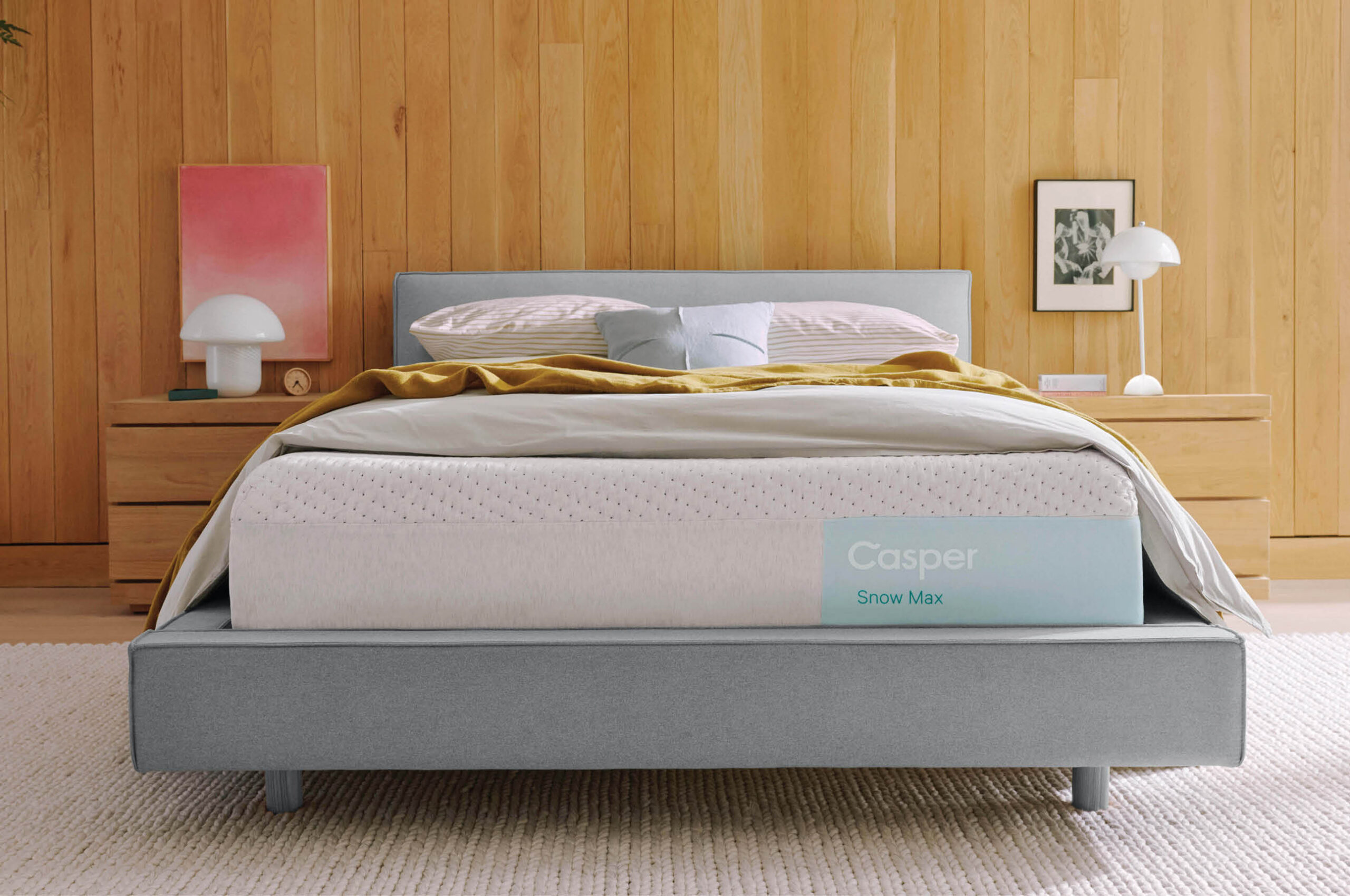
Casper—which started 11 years ago entirely in the DTC space and is considered one of the pioneer disrupters of the traditional retail model by offering compressed products in a box—has evolved its approach to probably a 2-to-1 split between in-store versus online sales, says KJ Holsey, director – wholesale.
The company has built its presence in both traditional brick-and-mortar warehouse stores like Mattress Warehouse and in club stores like Costco, along with about 45 of its own branded stores across the country, Holsey says. Brick-and-mortar locations feature Casper’s more premium offerings, whereas value-oriented products perform better online, he explains, adding that he expects continued retail growth.
“We want to meet the customer where they want to shop,” he says. “They do have limitations on purchasing a mattress sight unseen. The higher the price points, as you get to price points in the $1,500 to $2,000 range—and we have them as high as $4,000 now—
having locations where consumers can try it is paramount.”
While the brand’s original strategy was to create alternative ways to shop—it was born to serve people in New York City who live in relatively confined spaces—that strategy has evolved to provide “a more curated feel” and a wider swath of offerings, Holsey says. With that evolution, while the brand’s biggest strength is among millennials and older Gen Zers ages 25 to 40, the second-largest segment is baby boomers. “Especially that [older] generation will want a salesperson; they will want to be brick-and-mortar,” he says. “And we have the connections and the voice with those younger folks to bring the next generation out to stores.”
Based on the brand’s research, younger people are focused on health and wellness. Getting a good night’s sleep is a cornerstone of that, which has driven interest in premium offerings. “When you look in general, not just in our channel, the way brick-and-mortar is evolving is much more experiential and elevated,” he adds.

The direct approach
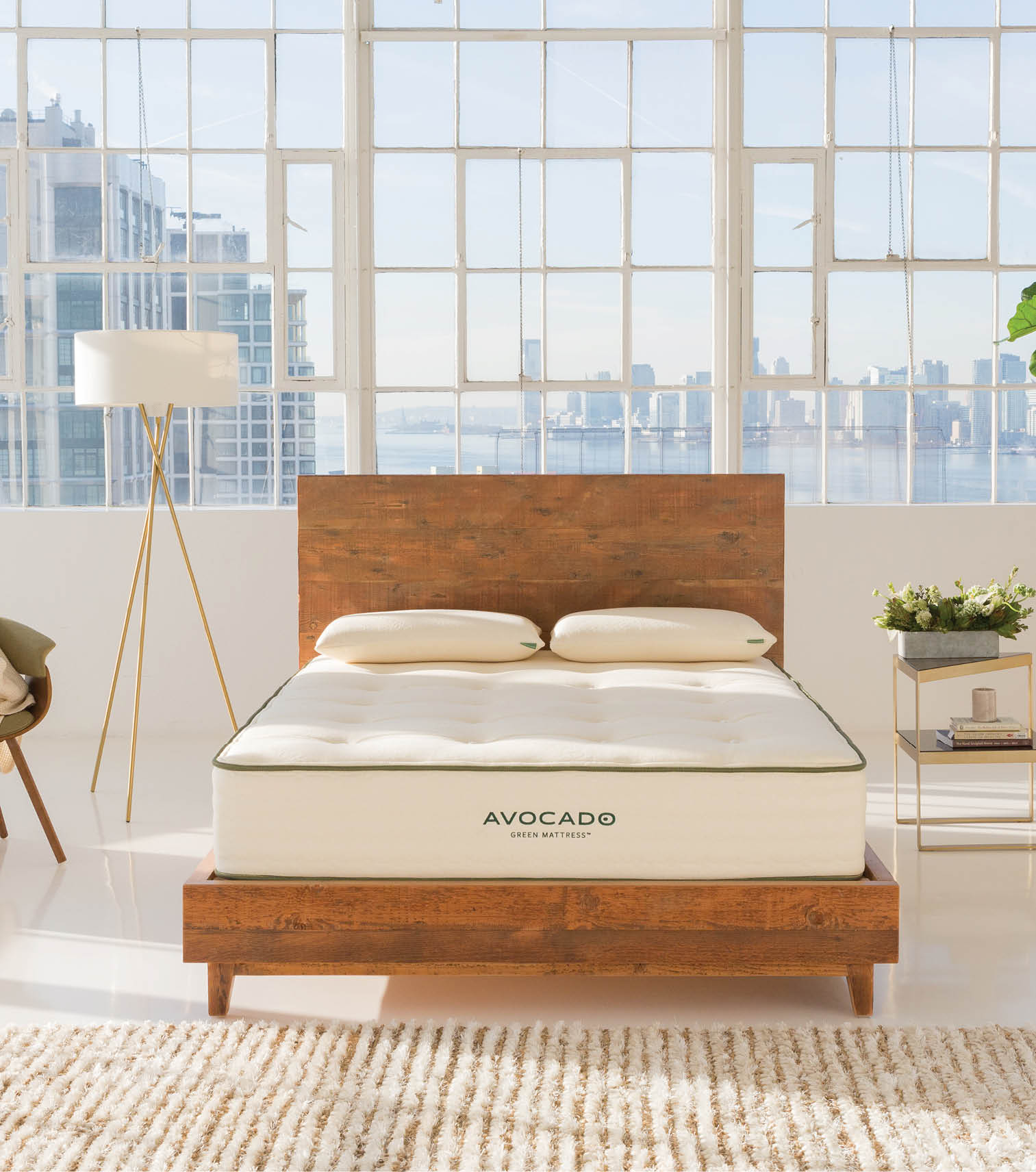
Avocado Green Brands, which also began as a purely DTC brand, started building its own retail stores five or six years ago and now has 14. In the past couple of years, it also has expanded to a wholesale operation with strategic partners and can be found in more than 600 locations overall, says Vy Nguyen, co-CEO. While DTC is still a little more than half of overall volume, the company aims to eventually reach about one-third each in its own stores, wholesale, and online. “We think that’s a very good, balanced approach,” he says. “It reaches all the customer touch points.”
The brand’s strategy will remain consistent in terms of creating a high-quality product and telling consumers its story, explaining the value proposition and core message, Nguyen says. Avocado has assembled a sizable sales and training team to ensure that salespeople in wholesale locations can explain the production and brand proposition, he says.
“As we have moved more into physical retail, we’ve had to spend more energy and effort creating physical touch points,” he says. “Online, they’re doing deep research, getting educated, and understanding and getting to know the brand. … In-store, a lot of times, customers already have done the research, and they’re coming in to test, touch, and have a more tactile experience, trying to solidify trust.”
Many DTC brands were born roughly a decade ago, when consumers began to gravitate more to buying online and enjoyed the novelty of it—and around the same time digital ad platforms came of age, obviating the need to count on retailers to explain a brand’s value proposition, Nguyen says. But starting a new DTC brand has become more challenging, evidenced by industry data over the past two or three years showing that units purchased online have plateaued at about 30% of the total, he says.
“That cycle has come and gone,” he adds. “It is more expensive and more complicated than ever to get noticed. It’s a much bigger lift to start something new. … We probably have reached full saturation. Brands that were able to make it and build a differentiated offering, build a loyal fan base, are now able to reach out to that other 70% of the market space out there.”
Nguyen agrees with Holsey that consumers, especially at higher price points, want to test the product out in person. But not all brands that started with DTC will be able to do a mass wholesale program, in part because dealers are somewhat inundated, he says.
“There’s a lot of logistics involved in it,” he adds. “It’s a whole different business.”
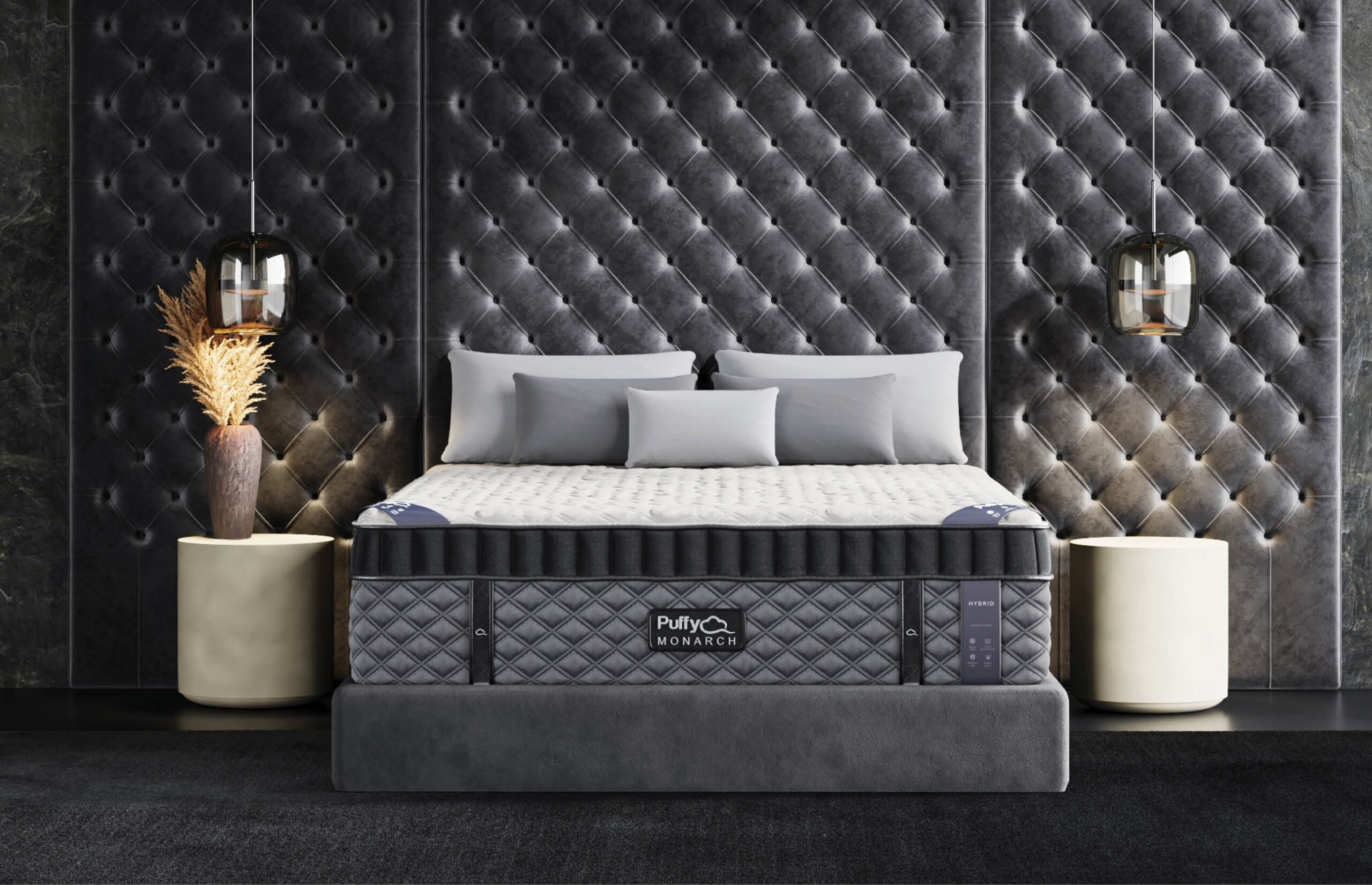
The Puffy brand remains overwhelmingly DTC, fluctuating between 85% and 90%, but most of its recent growth opportunity has been in brick-and-mortar, according to Jason Farruggia, retail general manager. “That [DTC] percentage of sales seems to have plateaued” industrywide, although not with Puffy specifically, he says. “If a company wants to continue to grow, it can’t lean on DTC.”
On the marketing side, Puffy has become more active in retargeting customers who don’t buy online, attempting to steer them into nearby stores through geotargeted ads, Farruggia says. “In the past, it was just the organic customer that went to the store locator on the website. We weren’t doing anything actively beyond that,” he says. More recently, however, the company has stepped up its game with “retailers who have a good track record, do a good volume, and represent us well.”
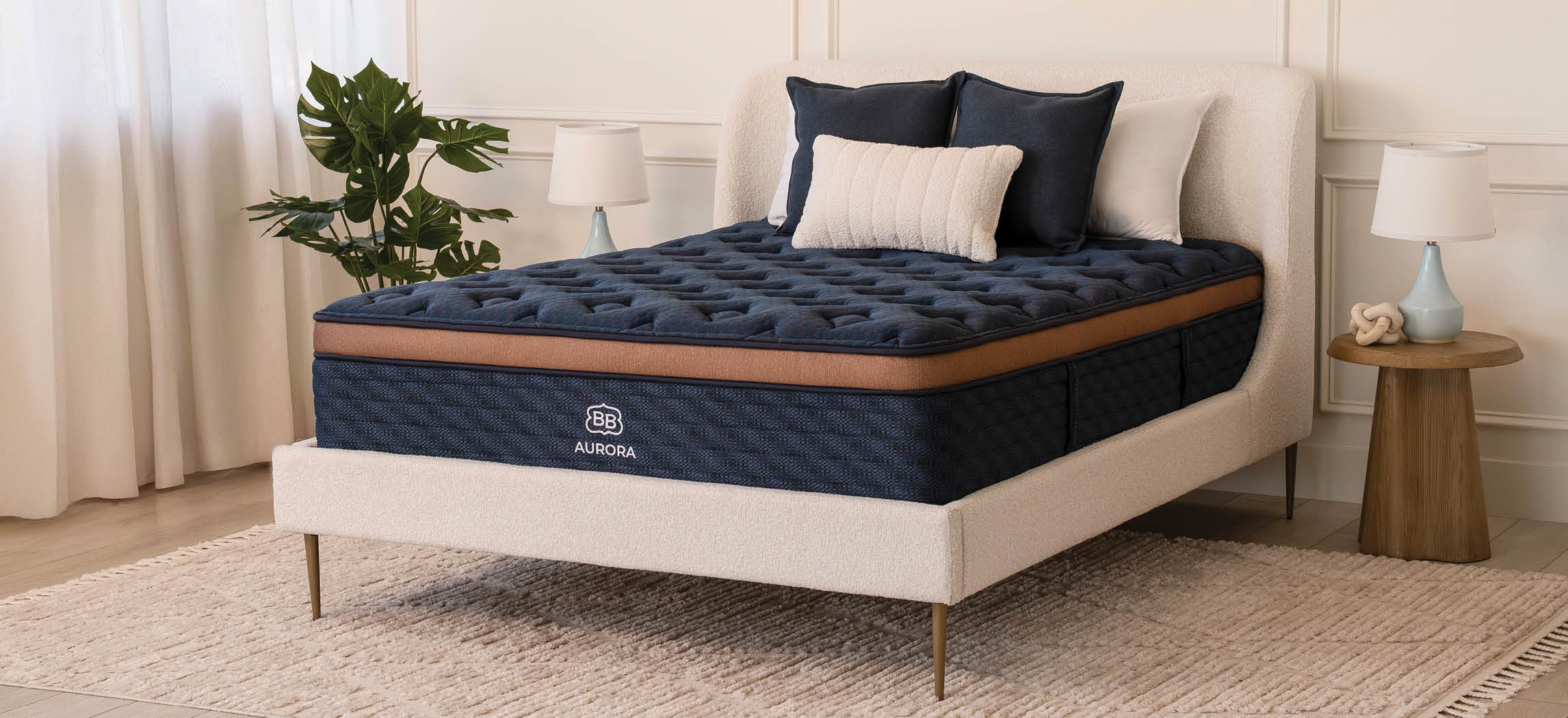
Online sales of mattresses spiked during the COVID-19 pandemic, Farruggia says, but part of what’s caused the move toward in-store shopping is that many of those who bought online during the pandemic purchased low-end products and were dissatisfied. “They thought they got a great deal on that $299 queen, and they ended up getting burnt,” he says. “They realized they need to try it [in person] next time.”
He adds, “Especially with any of the lines that have led the expansion of the category into higher price points, conversion is very difficult without the customer’s ability to feel it and try it, to understand why it’s worth that higher price point.”
Farruggia expects the percentage of in-store sales will continue to climb for his company and others, and he notes that an increasing number of stores are carrying only digital-first brands. “We even have large retailers starting to think about doing some testing where they try a digital-brand model to see if they catch on,” he says. “If you look at those [stores’] customers, they tend to skew a little younger, but they have money.”
For a furniture store, a customer in their late 20s just starting to furnish a home can be a high-value proposition over a lifetime, Farruggia says. “If you can gain their brand loyalty, that’s the most important time to reach out and gain their trust,” he says. “They recognize the need to try the mattress. [Stores] have that opportunity to gain them as a lifetime customer.”
A new way to market
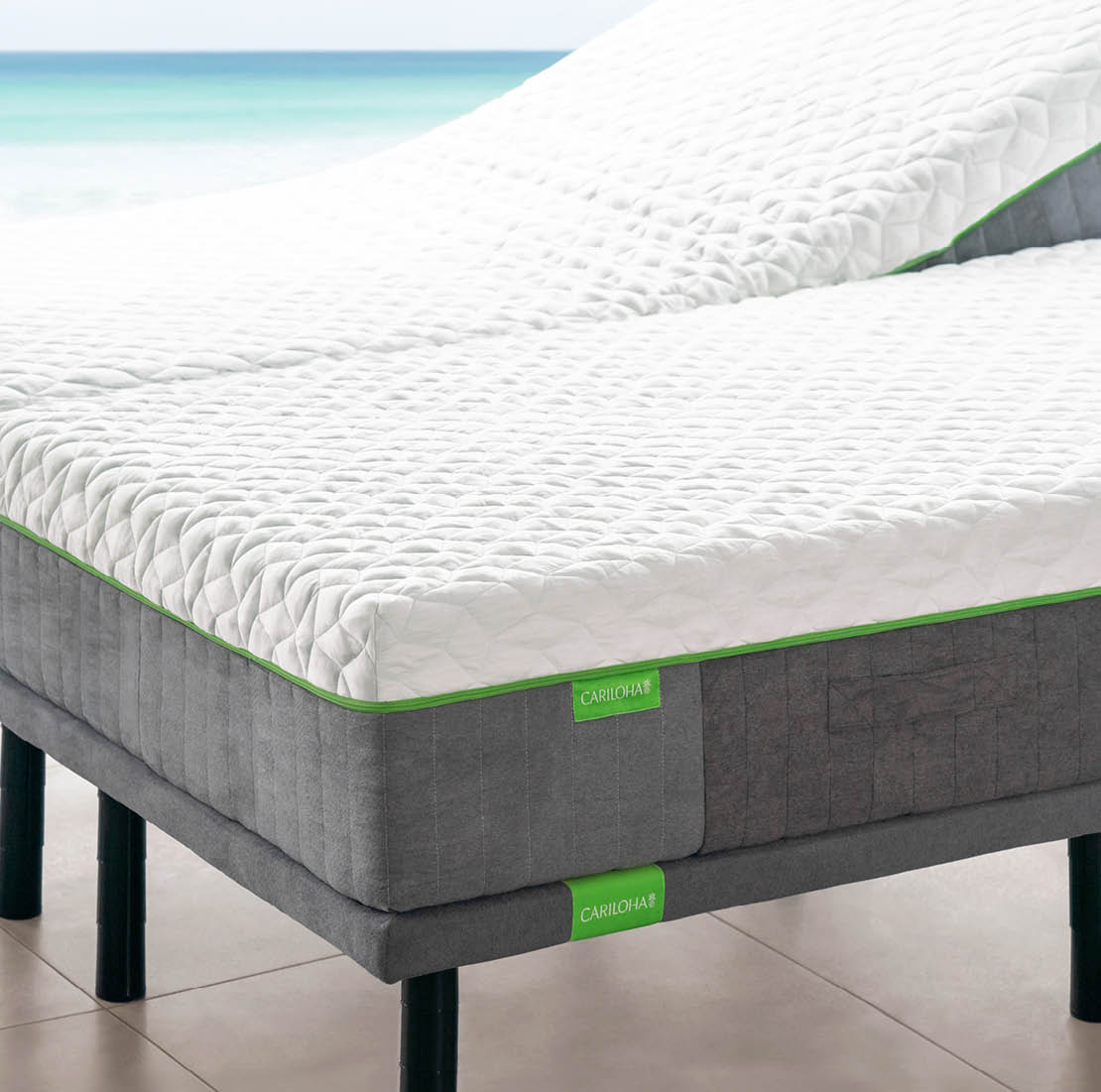
Based in the Caribbean, Cariloha originally sold its mattresses in 60 of its own branded stores across 16 countries. U.S. customers gained familiarity with the mattresses while on vacation but couldn’t very well lug them back on the plane—so they purchased online. But in the past couple of years, the brand has been forging retail partnerships in the United States and can now be found in more than 1,000 stores nationwide, says Kristin Sugar, senior vice president, wholesale sales.
“Our 60-plus showrooms in top vacation destinations act as valuable customer acquisition sites,” she says. “The physical presence itself is a marketing tool, and the customers develop as great fans of our product. We also advertise on 120 different cruise ships. … And our social media contacts, we saw 48 billion impressions last year alone. We’re continuing to do that. We’re taking those and retargeting some of those customers who may not have purchased and driving them into our retail partners, so we can capture that final sale.”
Ultimately, for the most part, Sugar believes consumers would rather experience a potential new mattress in a brick-and-mortar location. “If a brick-and-mortar store today has a sensory experience, they are going to win every single day over online,” she says. “The days of brick-and-mortar that are not catering to the customer, those days are gone. I would say almost 60% of the consumers would rather buy at retail, when it comes to this channel.”
She agrees with Farruggia that in some cases, “COVID caused them to have to settle.”
Sugar says the company has built its stateside store count in part because retailers kept reaching out to it. “Retailers are telling me, ‘I didn’t have your mattress, and now I have your mattress because I am getting calls for it,’” she says. “The other part is they don’t want to be dictated to by the traditional mattress companies, who are demanding a significant amount of floor space. … Direct-to-consumers don’t do that. They say, ‘Let’s partner together. Let’s have a win-win situation.’ ”
Most of the brands within 3Z Brands began their existence as DTC bed-in-a-box—only the Brooklyn Bedding brand started in brick-and-mortar spaces—but the company has made retail a bigger piece of its strategy as the shopping environment has evolved, according to CEO John Merwin.
“Each of our brands has been built for a distinct audience. Bear, for example, targets consumers who live a more active lifestyle. For Nolah, it’s support for side sleepers,” Merwin says. “When acquiring brands and growing our current ones, we maintain separation in positioning and brand ethos. This makes audience segmentation more precise and allows marketing to stay targeted. It also reduces overlap and internal competition across the portfolio.”
3Z believes that more than 90% of mattress shopping begins online, so even if consumers don’t complete their purchases there, brands need to be visible, searchable, and present within online content to build credibility and drive discovery. “Performance marketing is a huge way for DTC brands to grow, and that’s something that remains a core investment across our family of brands,” he says.
Overall, 3Z sees the industry balancing between online and brick-and-mortar, with DTC a “major growth engine, especially for research, education, and repeat purchases,” Merwin says. “Brick-and-mortar remains an important channel for first-time buyers and higher-ticket models. Leading brands now treat both channels as essential parts of the same strategy, not as competitors.”
Some consumers want to feel the mattress they’re purchasing, including many who initially find the brand digitally, so 3Z meets them where they are, Merwin says. “That’s why we’ve been so successful in gaining retail partnerships with brick-and-mortar stores, including our own branded Brooklyn Bedding stores. We are able to drive traffic to retail based on our online credibility and marketing prowess,” he says. “Looking ahead, brick-and-mortar will remain an important part of how we scale our brands, alongside strong DTC platforms that drive awareness, education, and repeat business.”
Traditional goes digital
As brands that started in the digital space migrate toward physical space, they see their legacy counterparts moving in the other direction, creating convergence across the board.
Nearly all brands have needed to figure out a way to build a DTC operation, says Avocado’s Nguyen. That starts with determining how consumers shop and where they start their journey, which for more than 90% of them is on their cellphones, adds Puffy’s Farruggia. “I do see [legacy brands] trying to hire people who understand and can replicate the online marketing side of it,” he says, along with relying on subsidy dollars to retailers who do “intrusive advertising” of their brands, typically on television and targeting the general public, he says.
“The consumer journey has changed significantly in the last 11-plus years. Most every consumer’s journey begins online, with research,” says Casper’s Holsey. “More traditional brands are taking a bit of an opposite approach. They’re becoming more omnichannel, as well.”